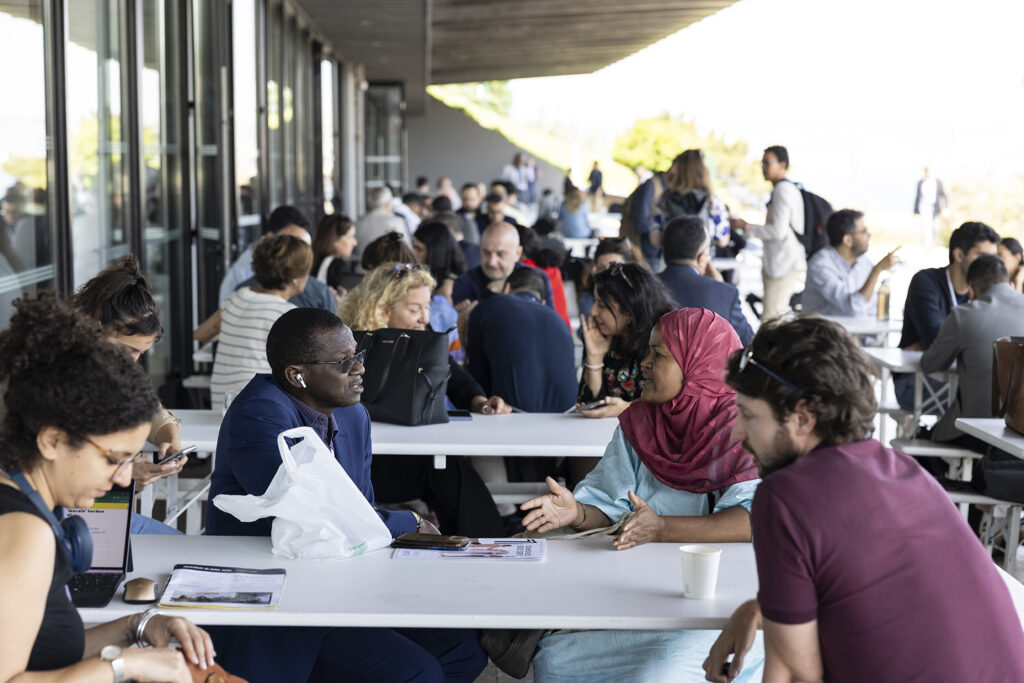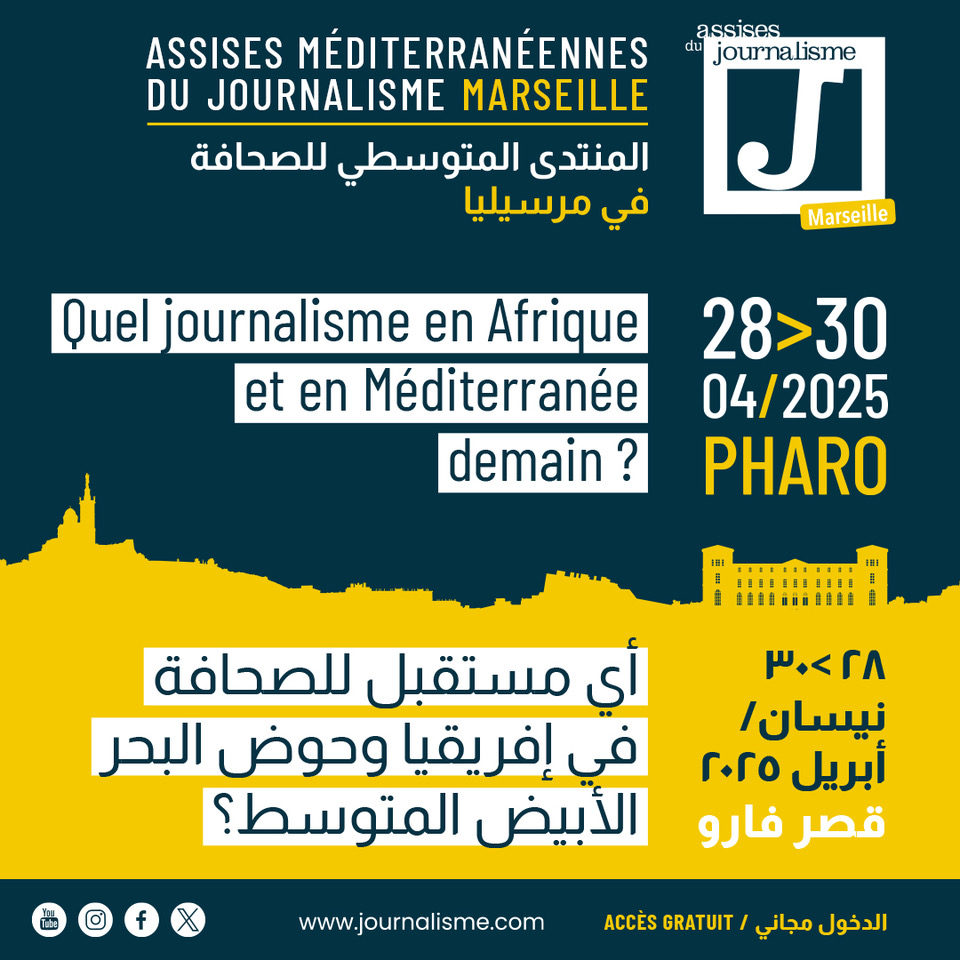
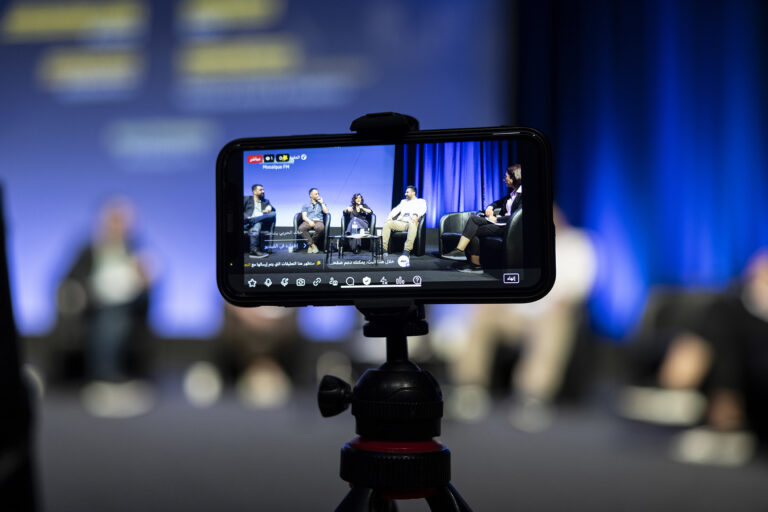
The position of women in the newsroom, the state of journalism in Senegal and Sudan, the Assises’ call for the release of imprisoned journalists in Tunisia… We take stock of this final day.
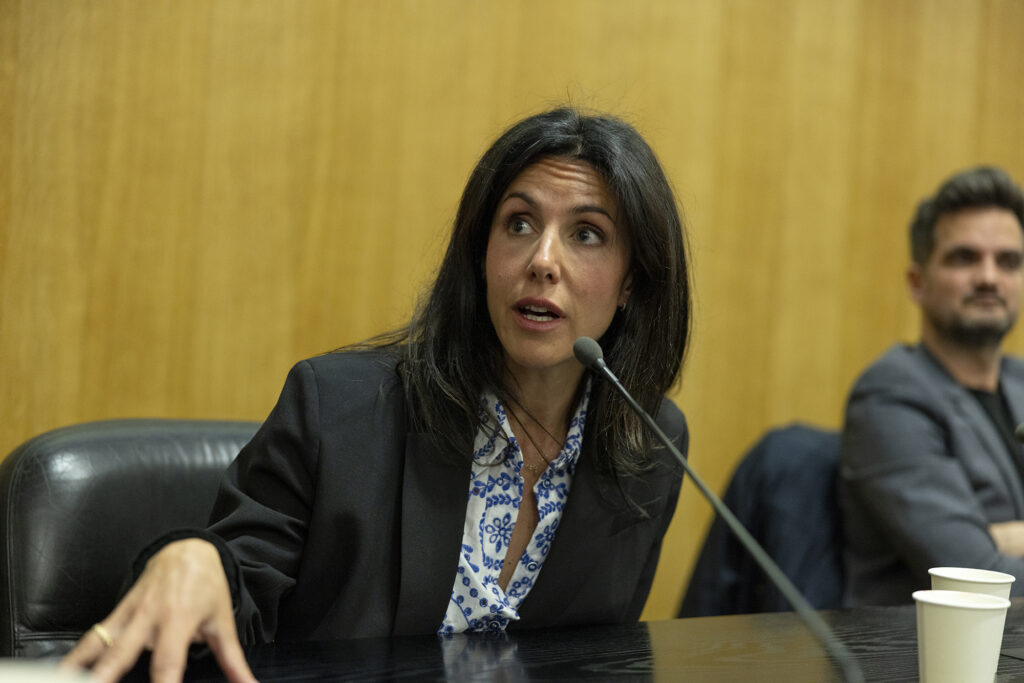
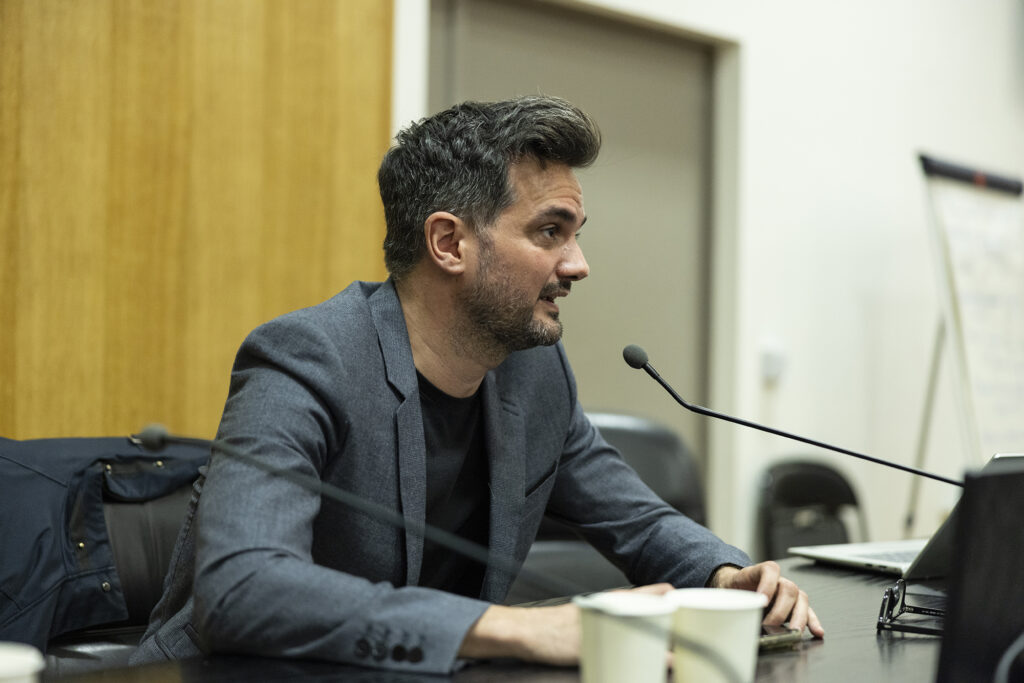
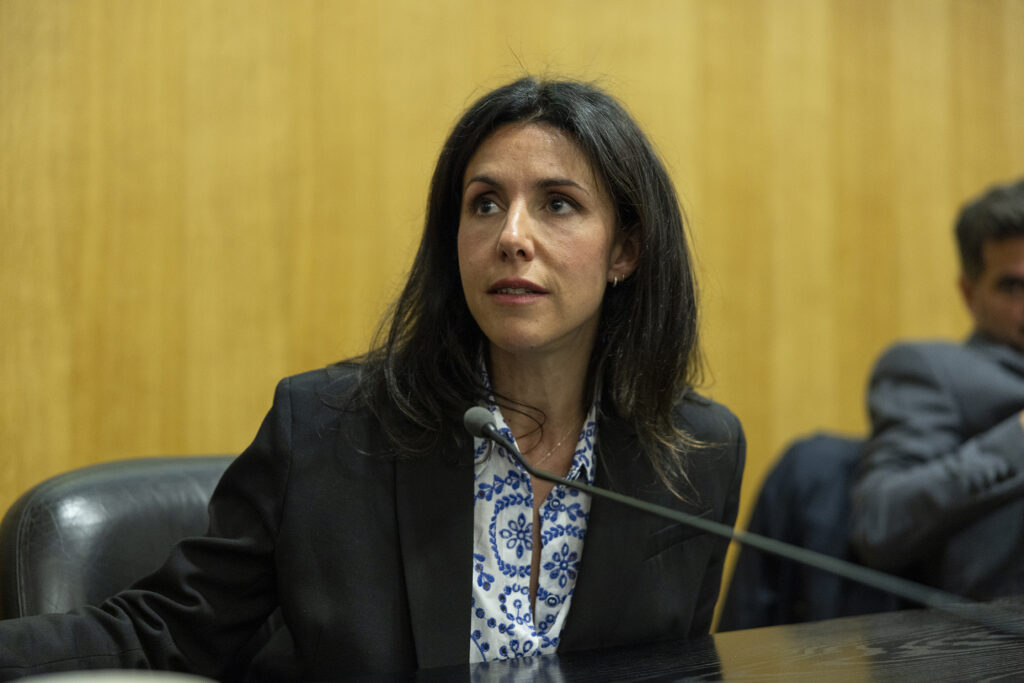
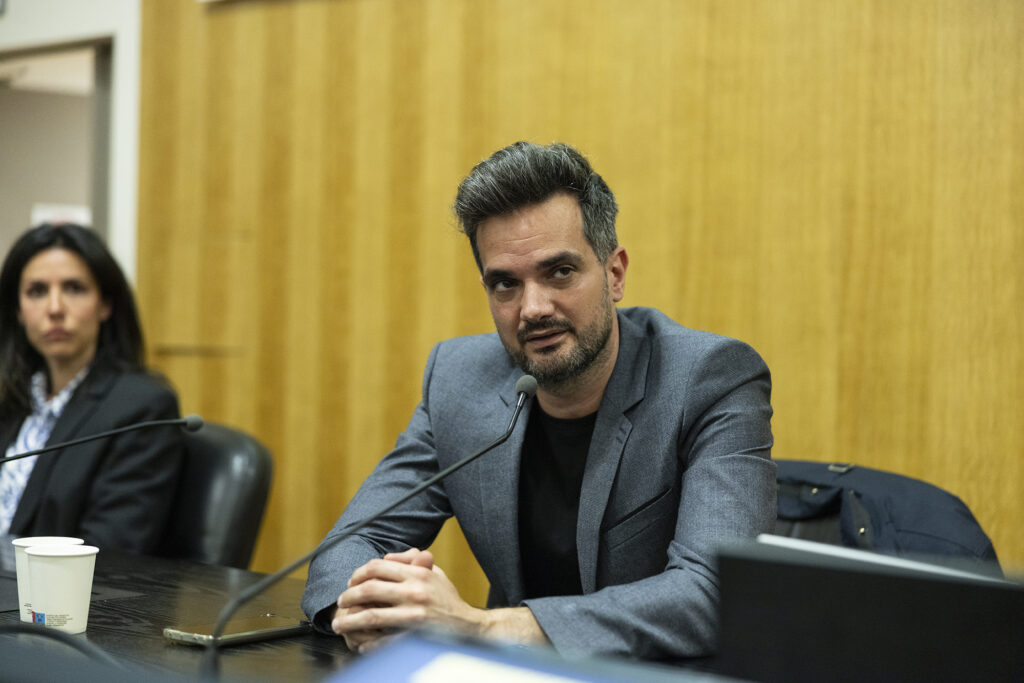
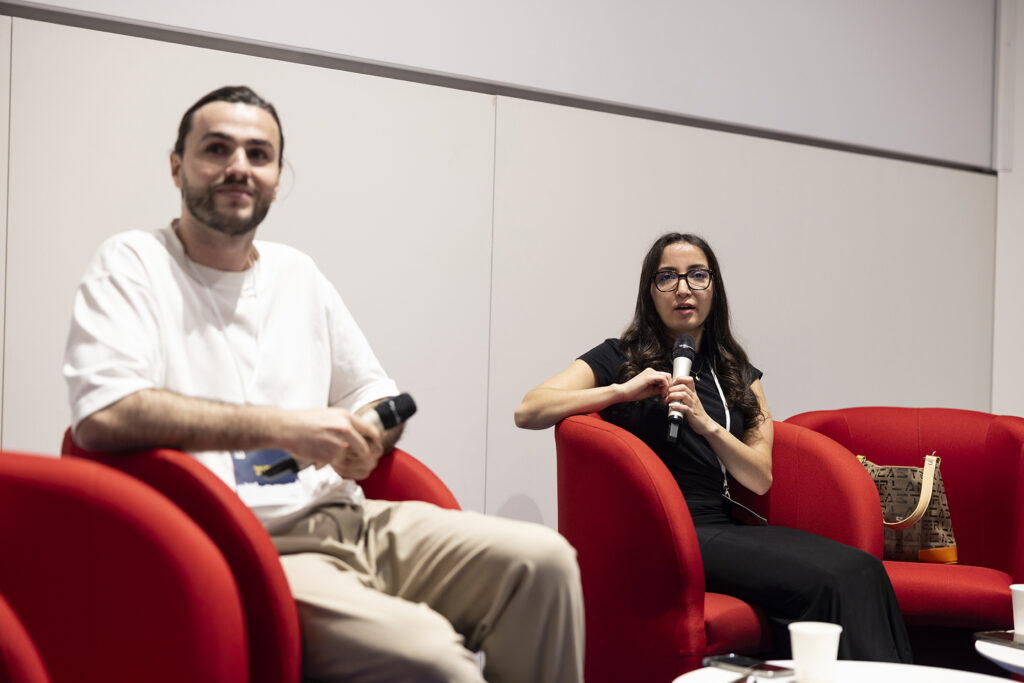
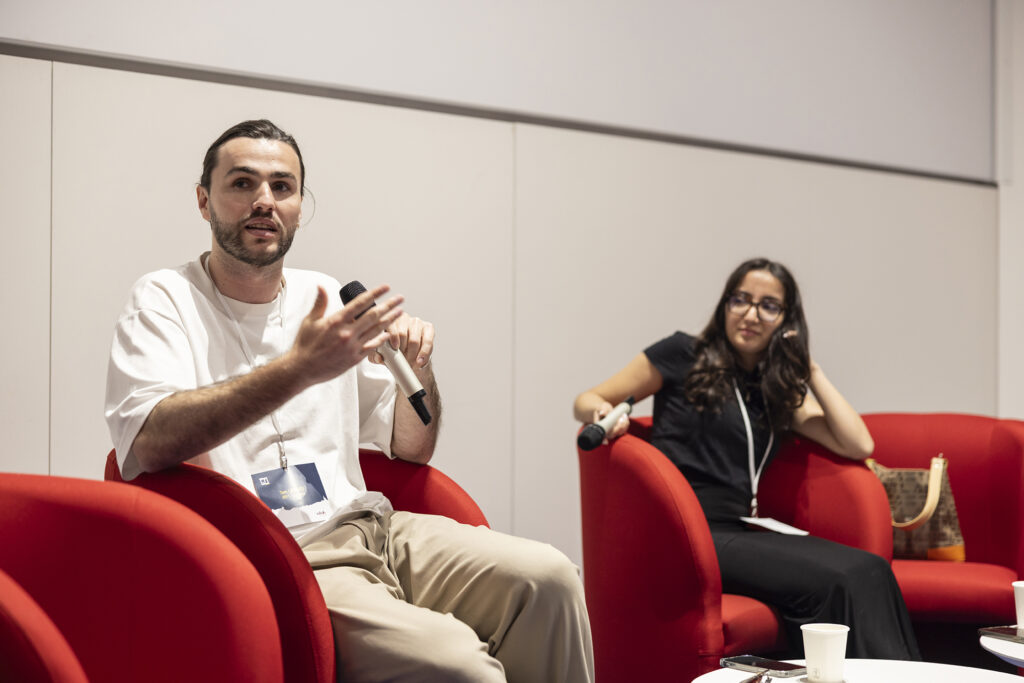
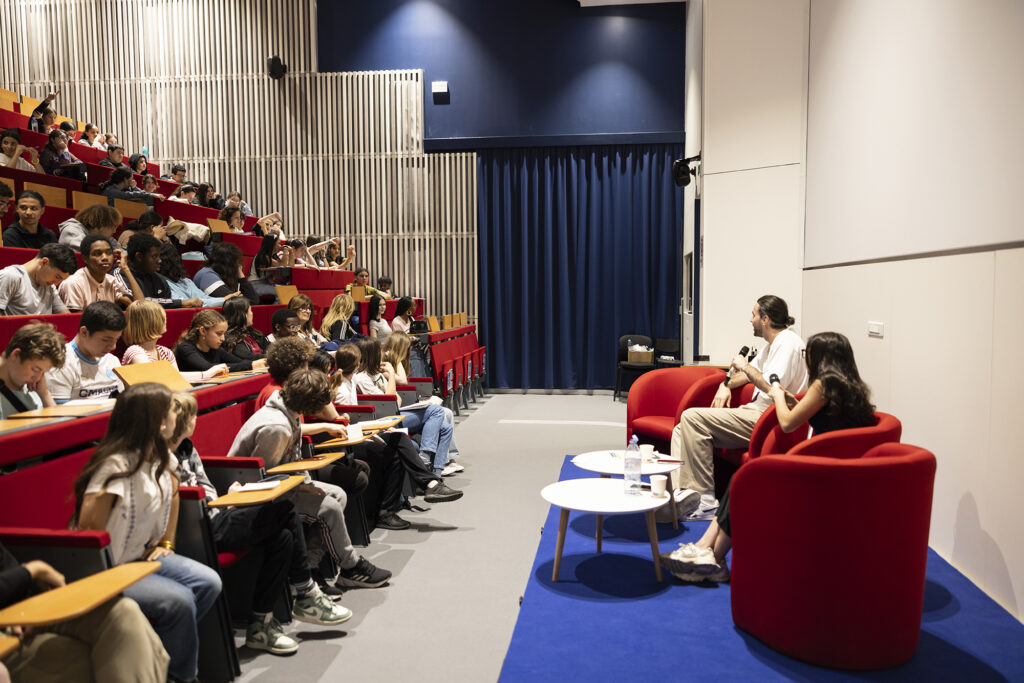
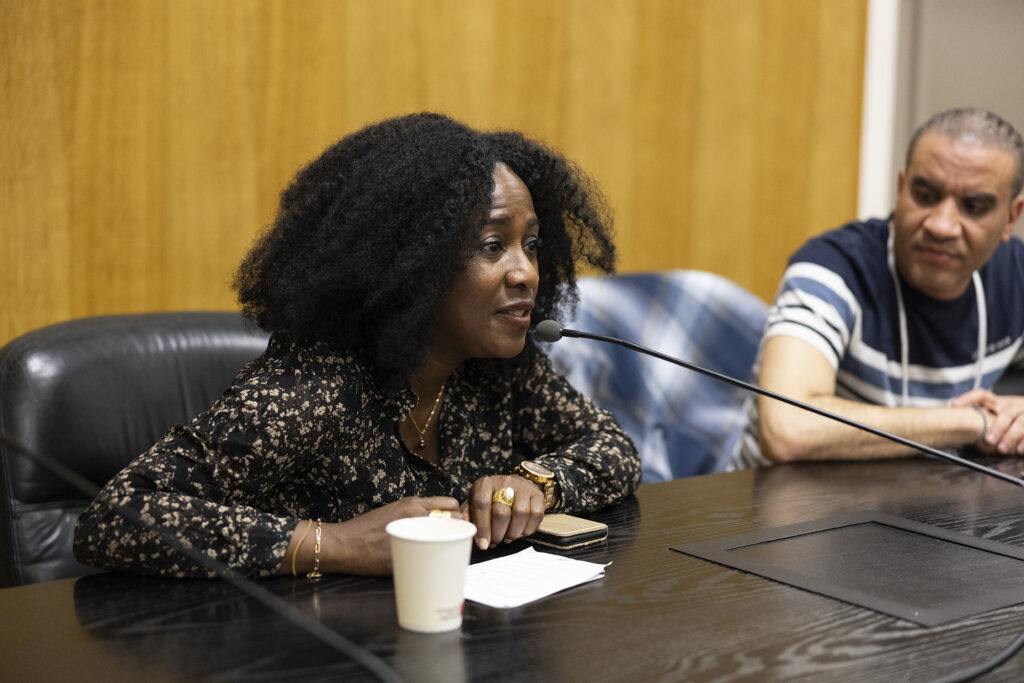
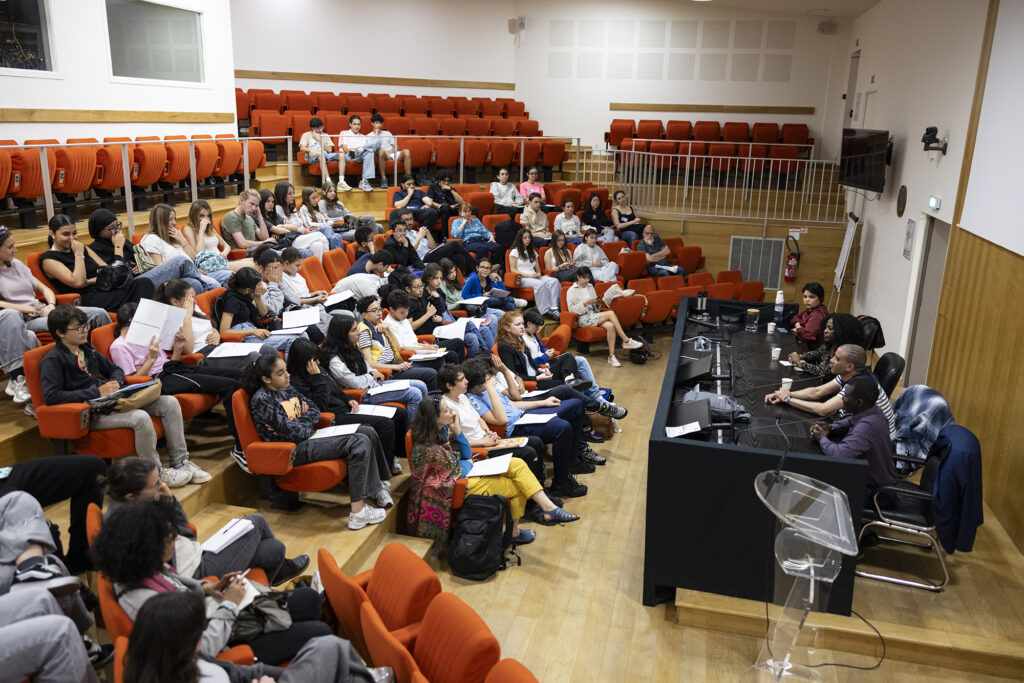
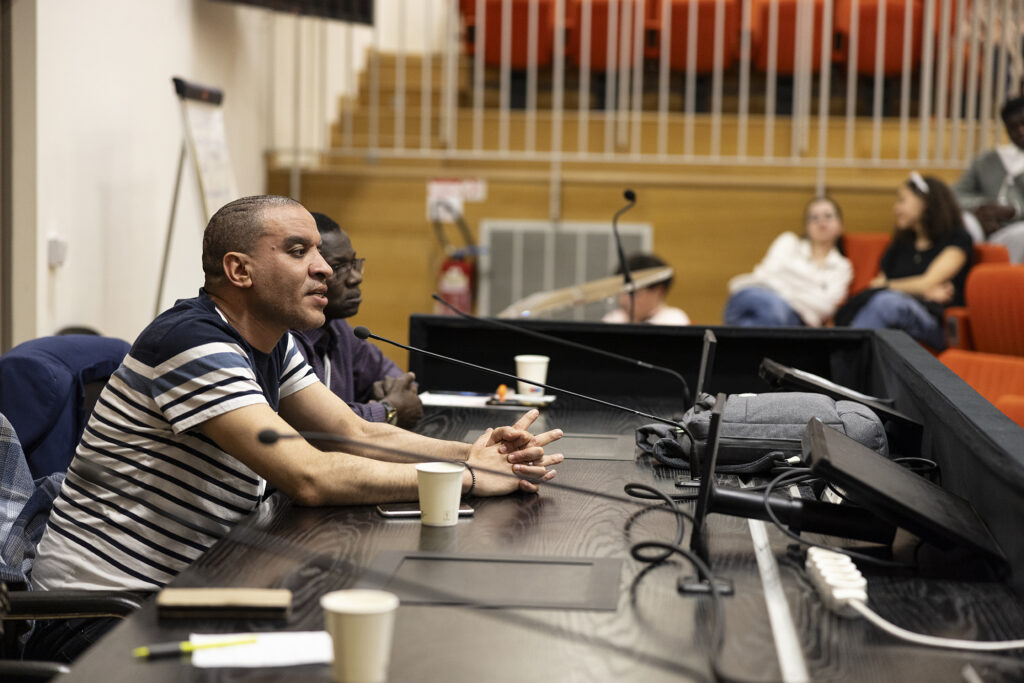
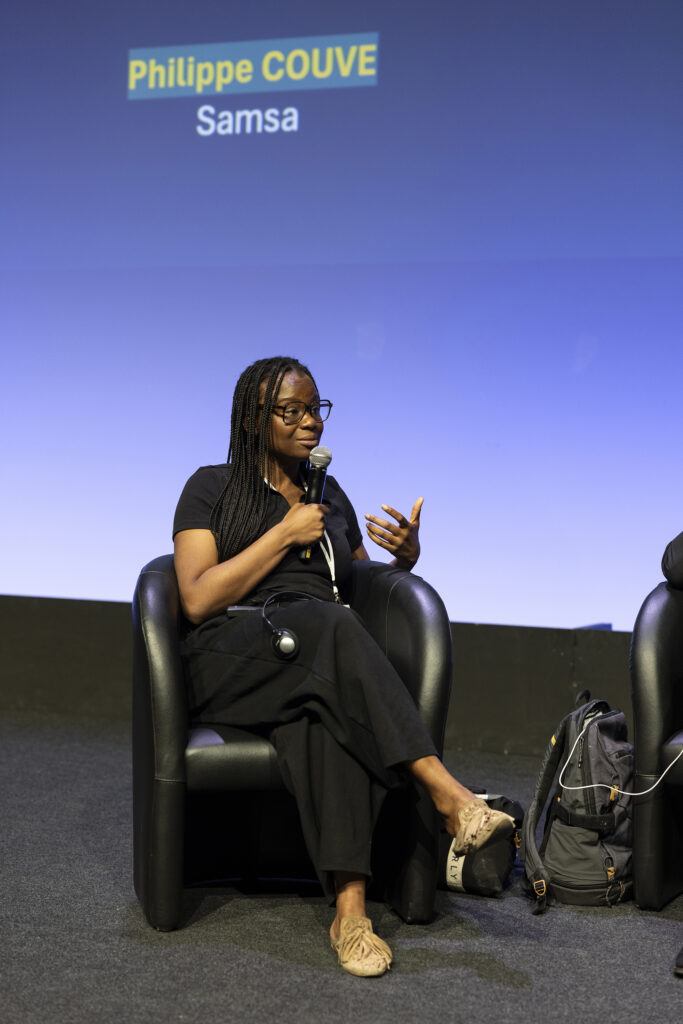
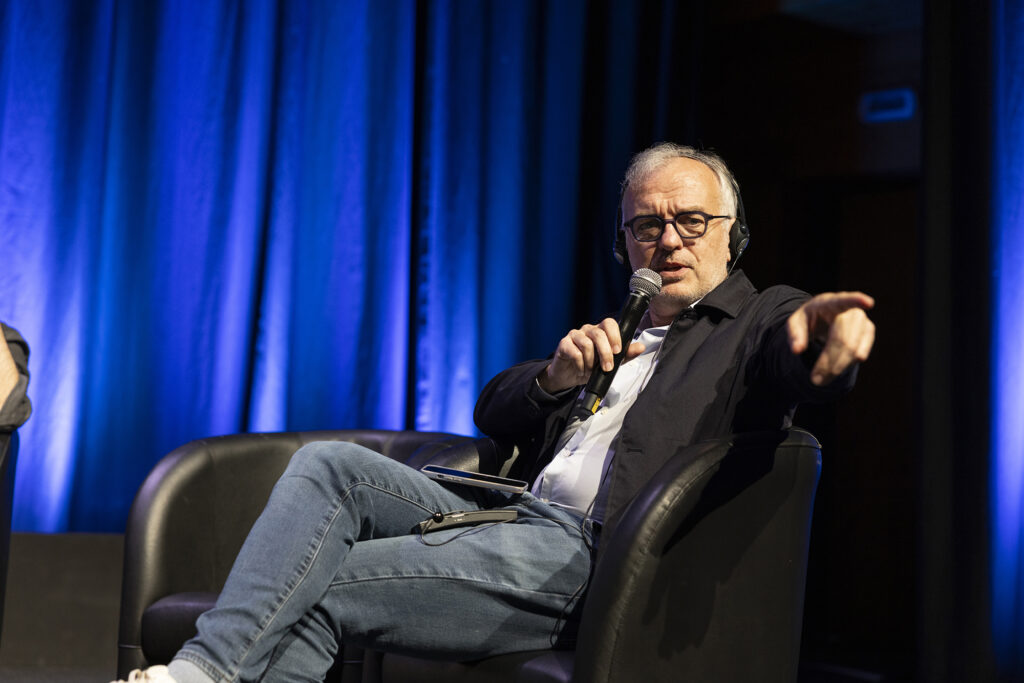
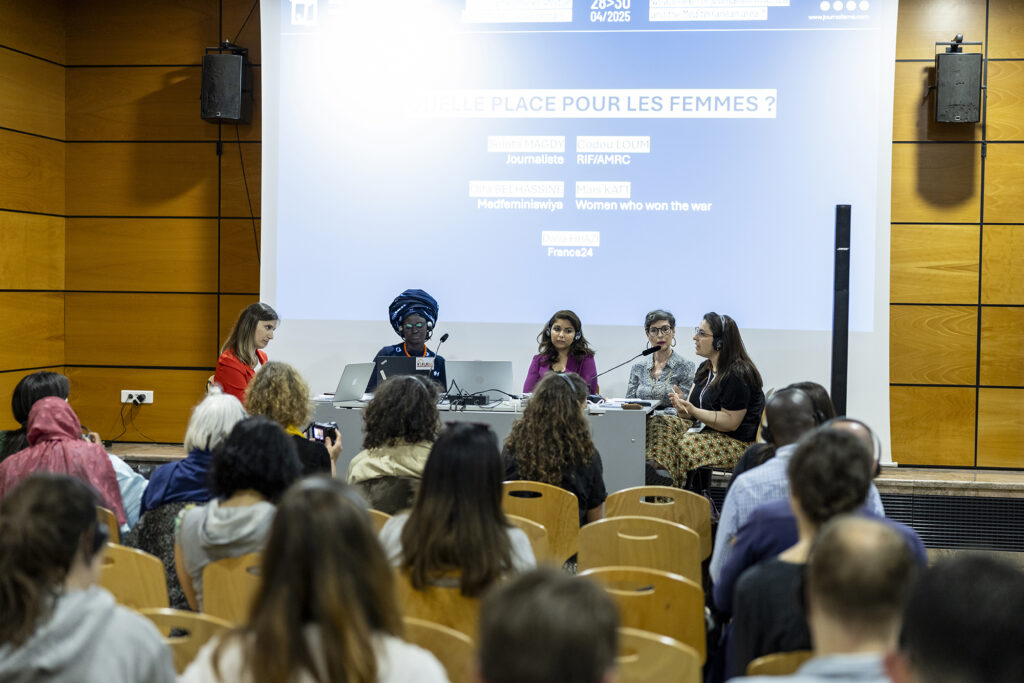
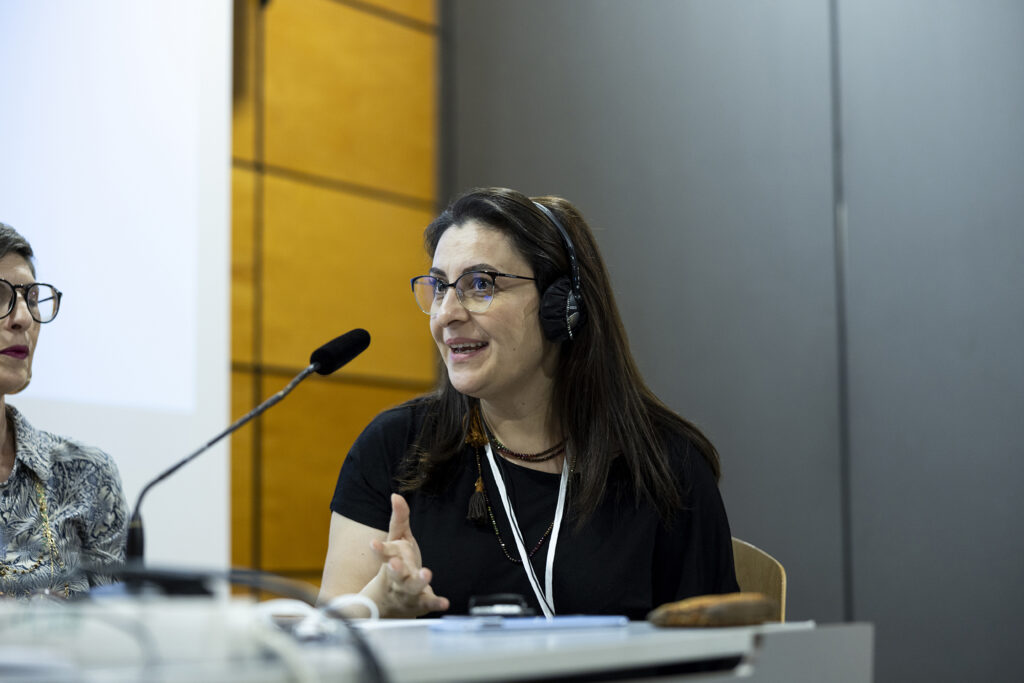
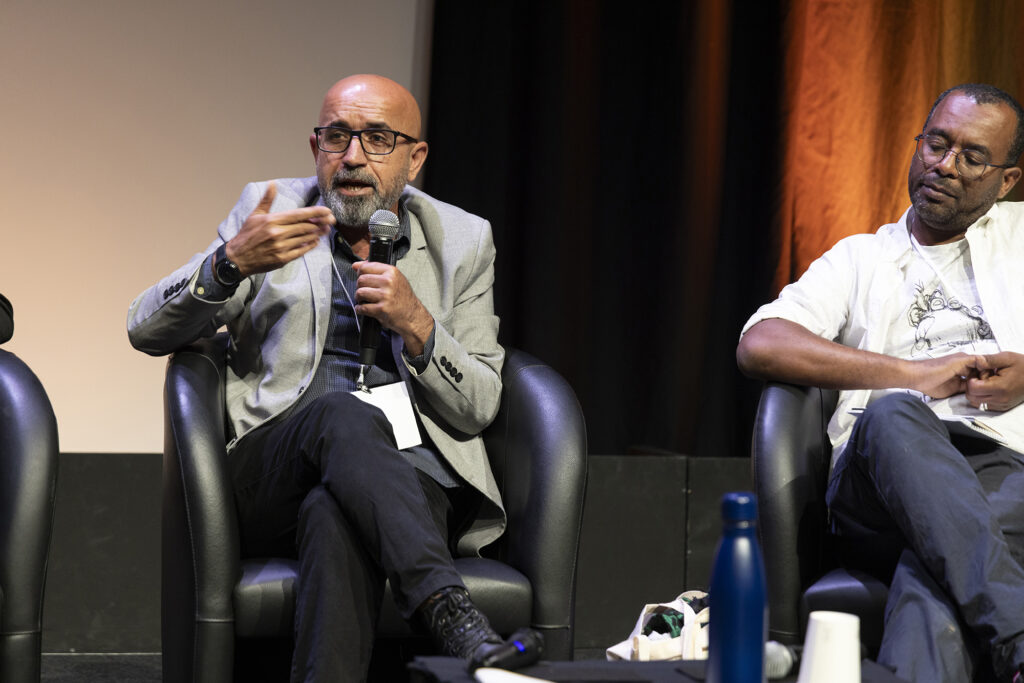
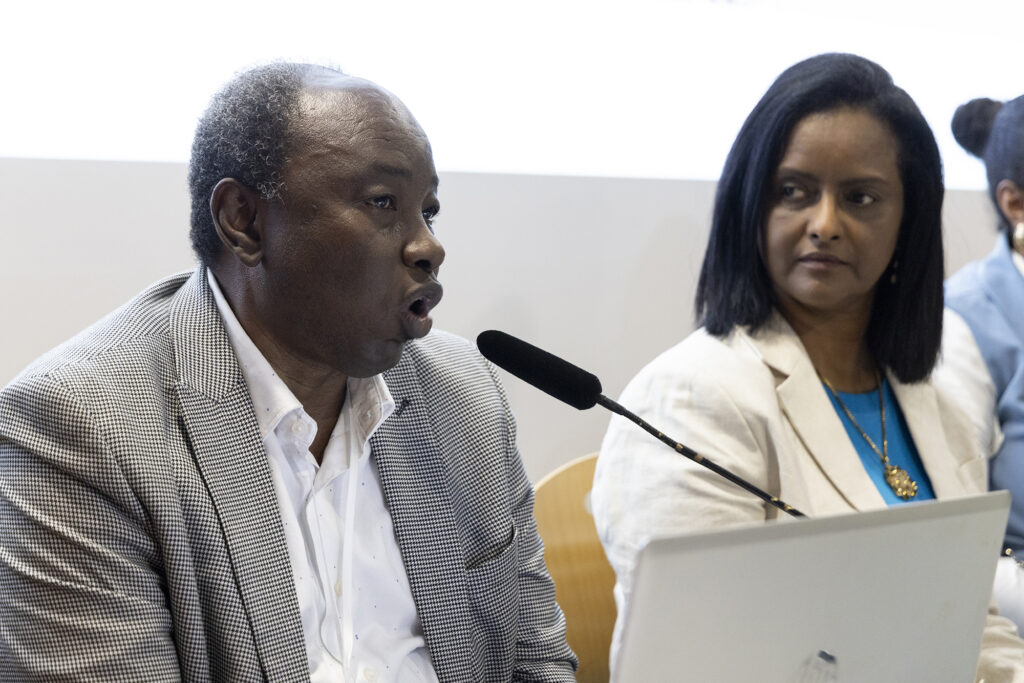
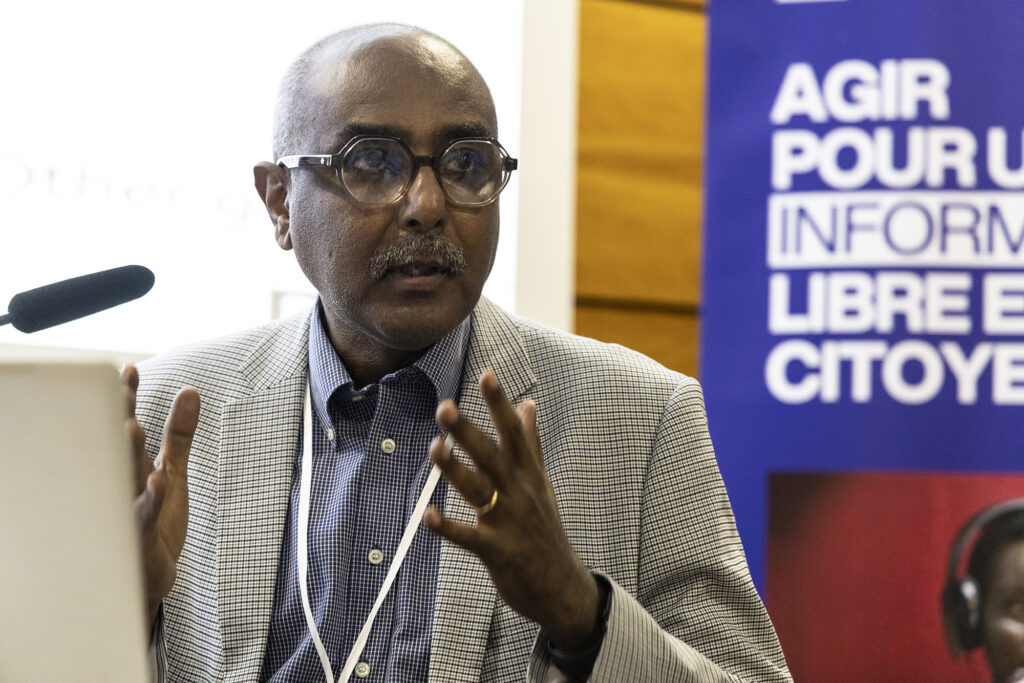
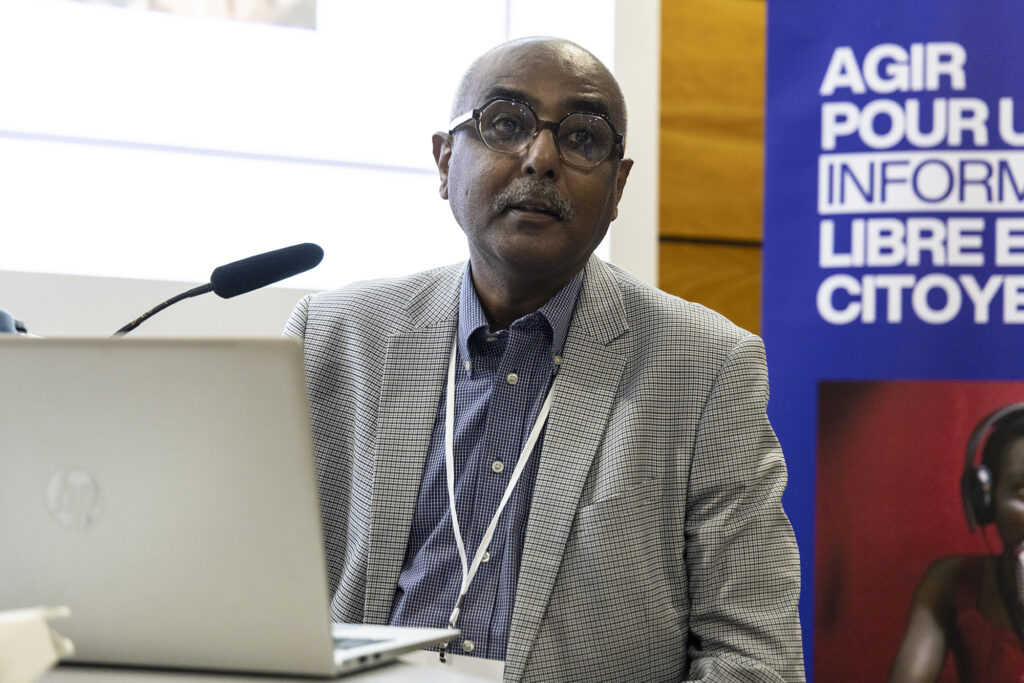
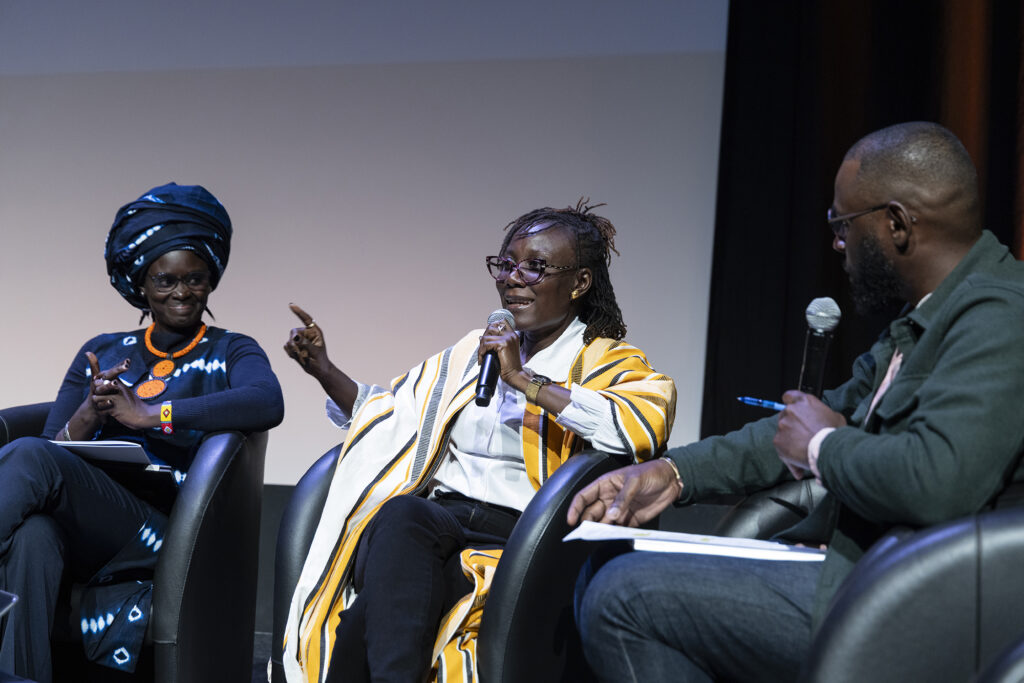
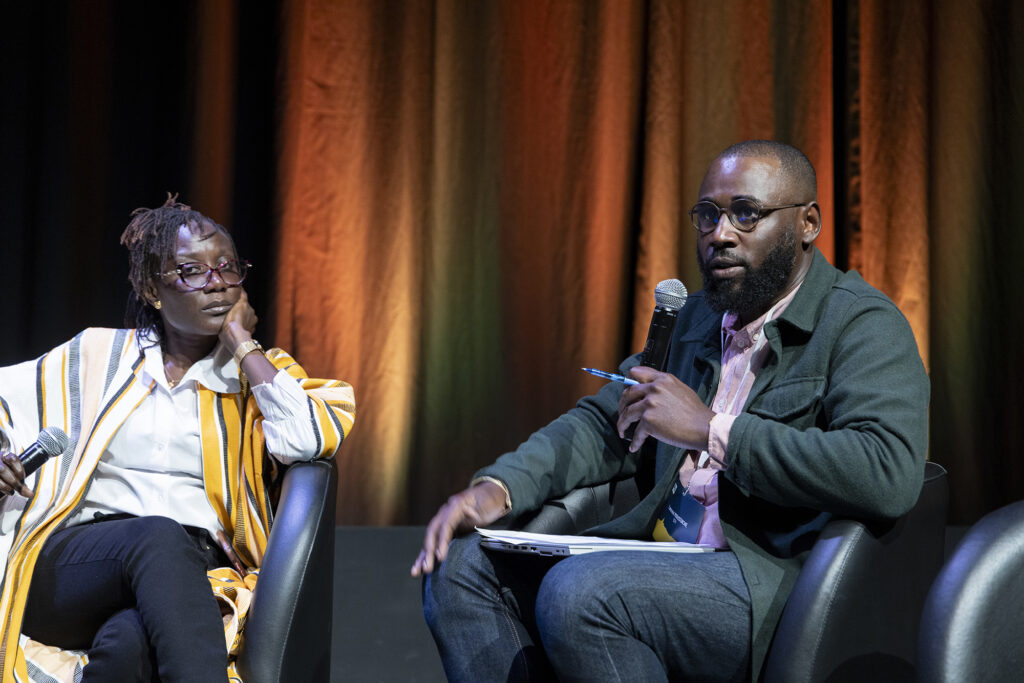
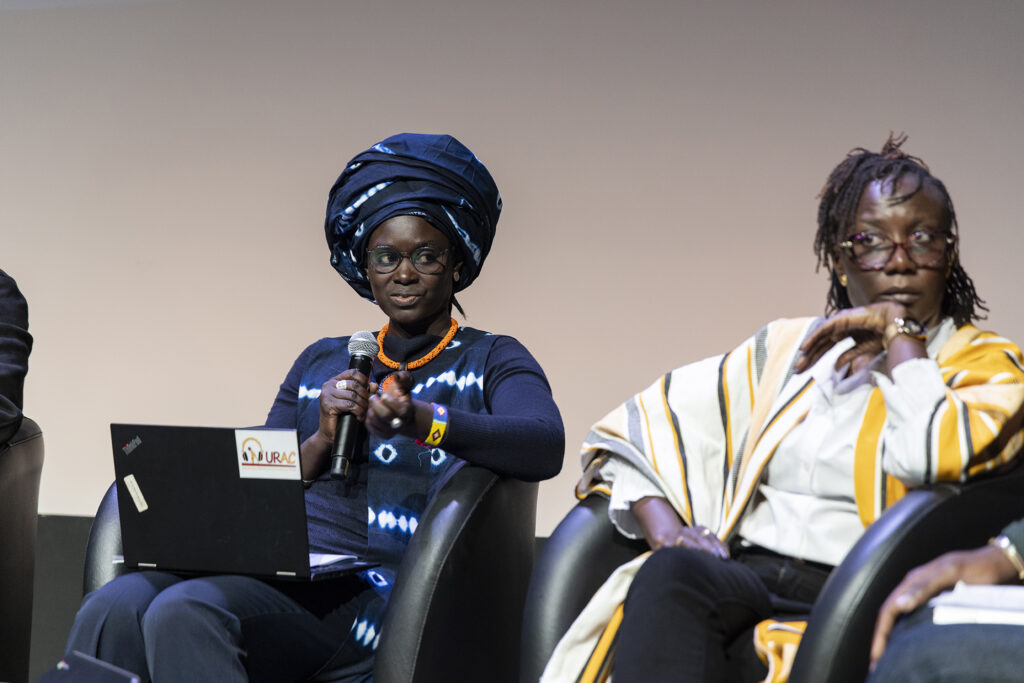
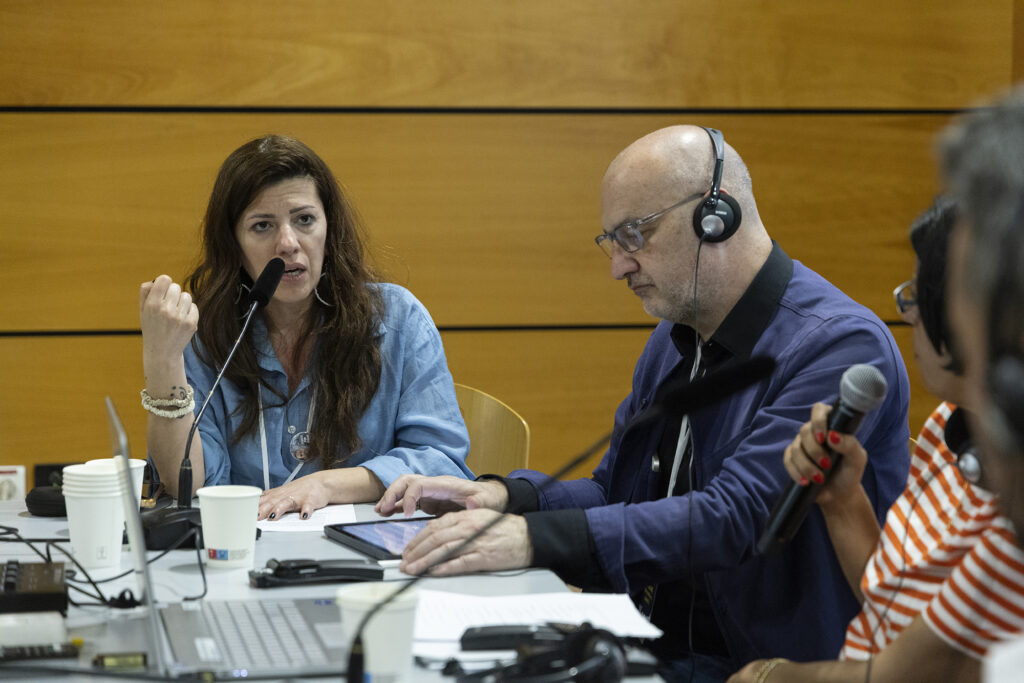
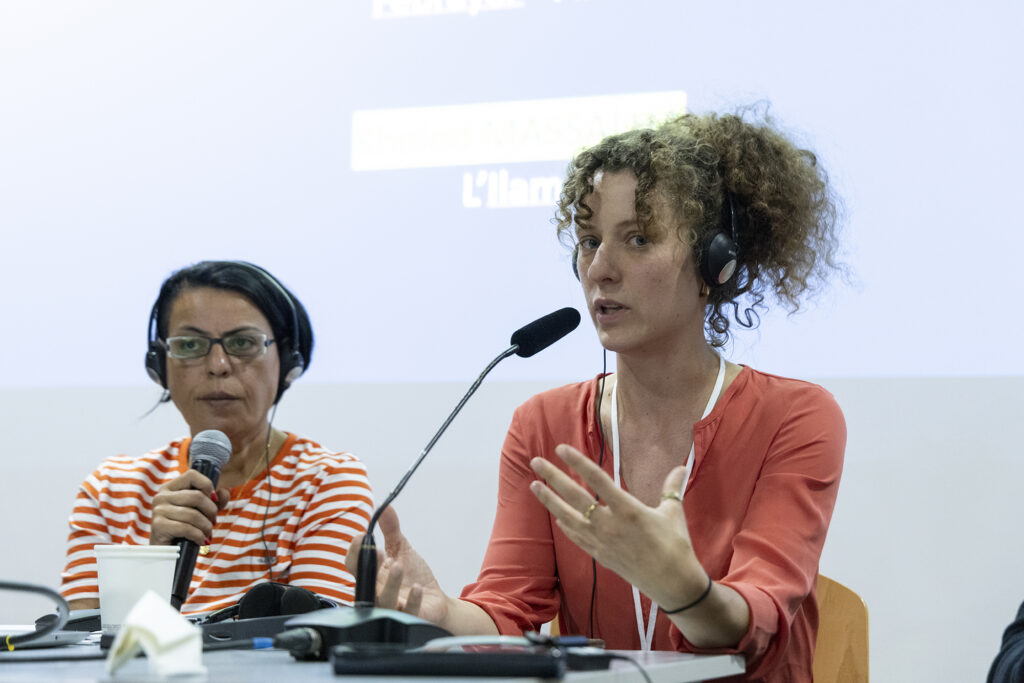
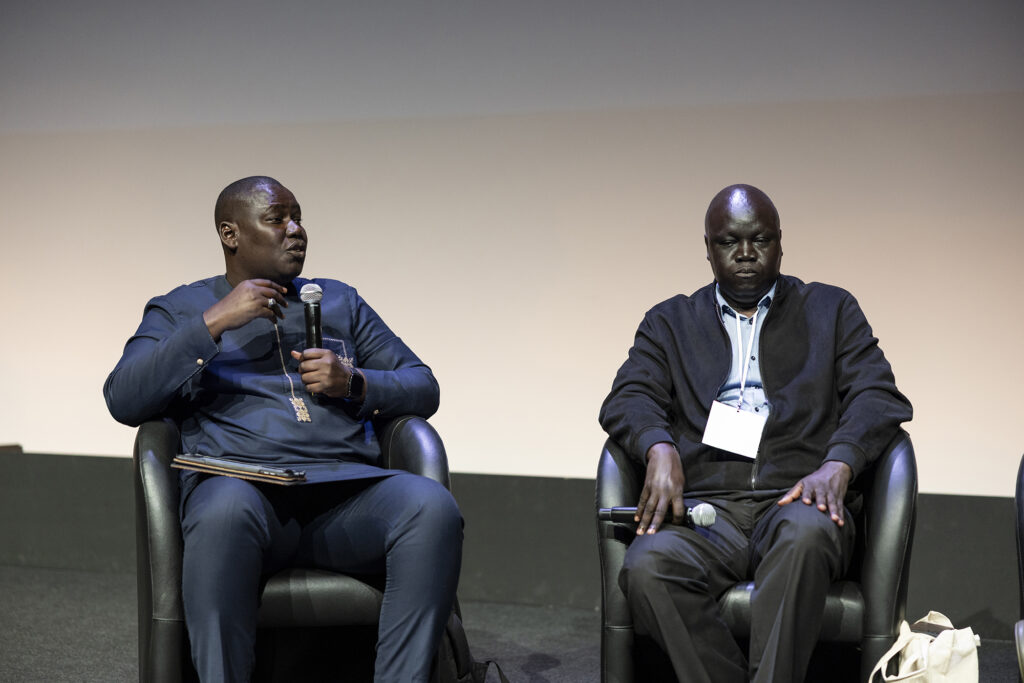
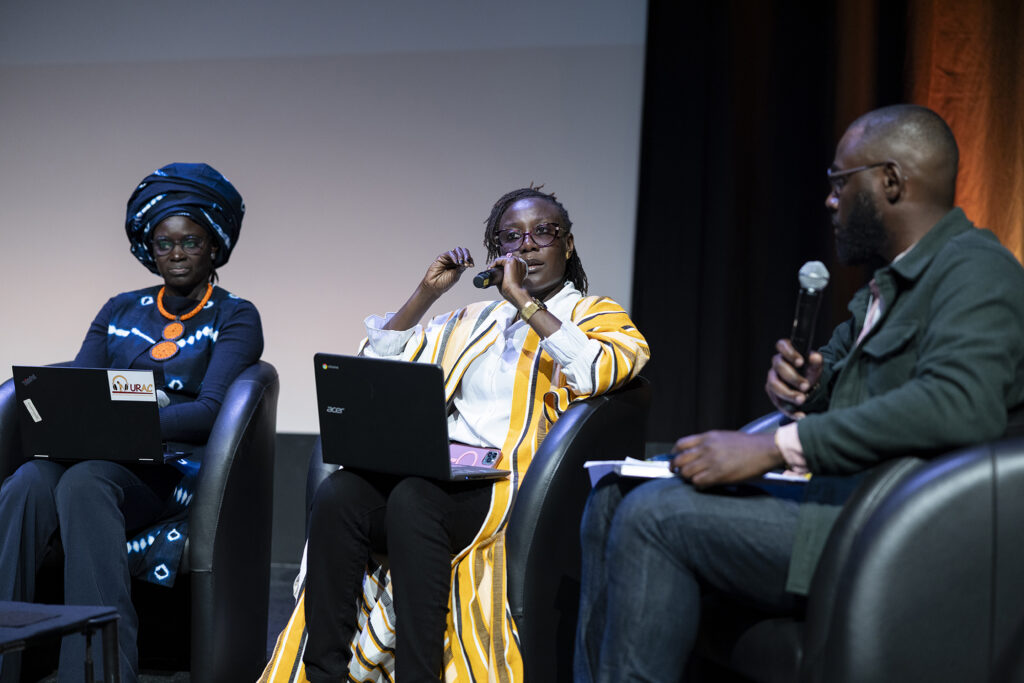
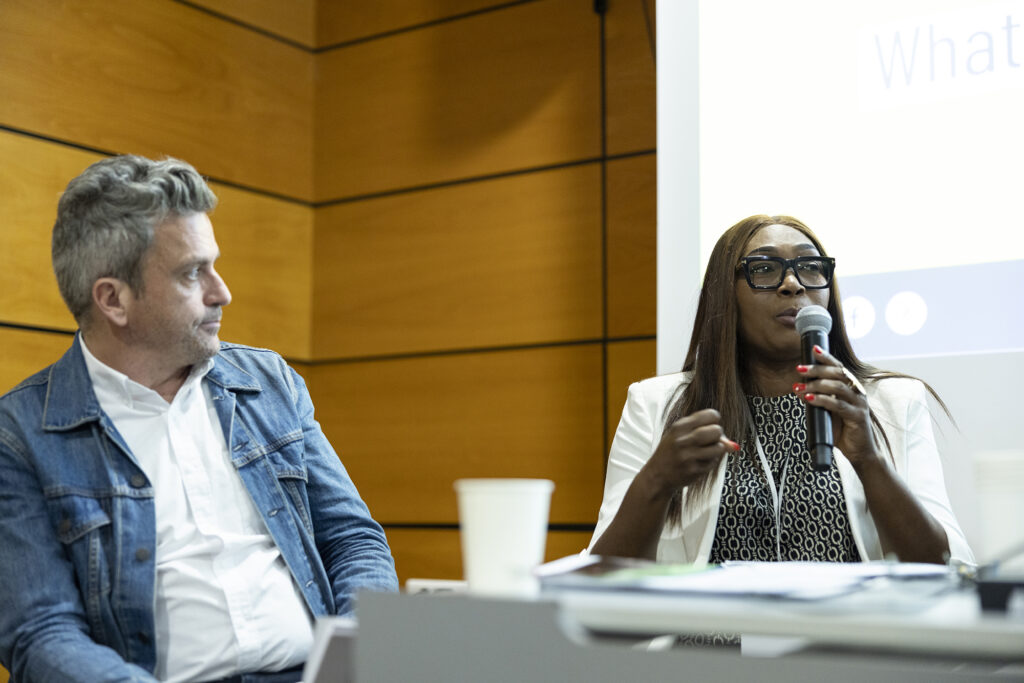
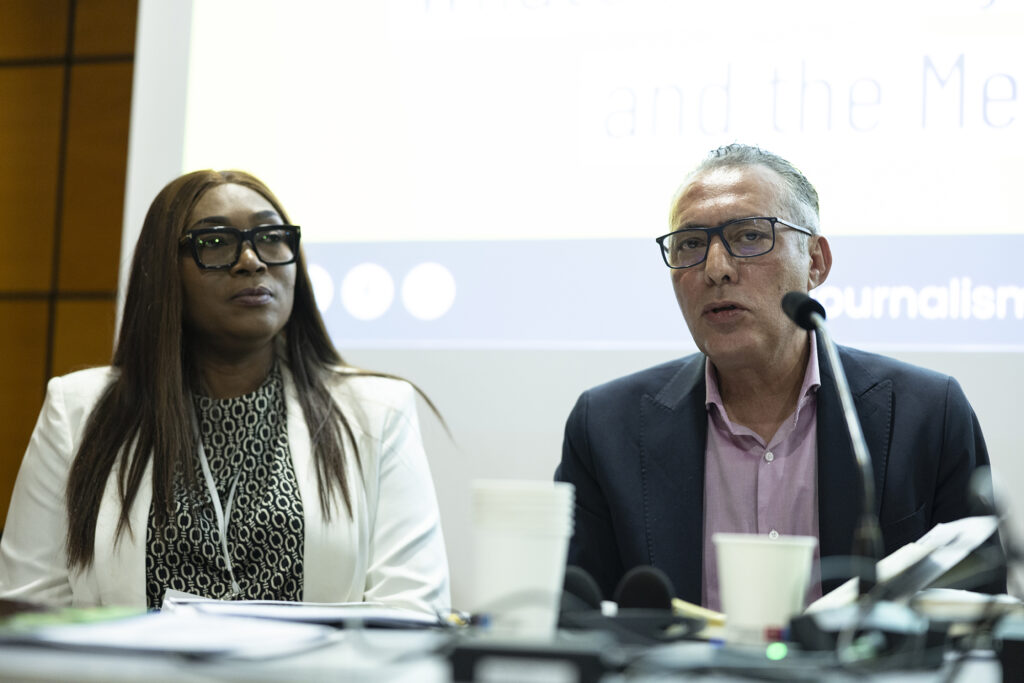
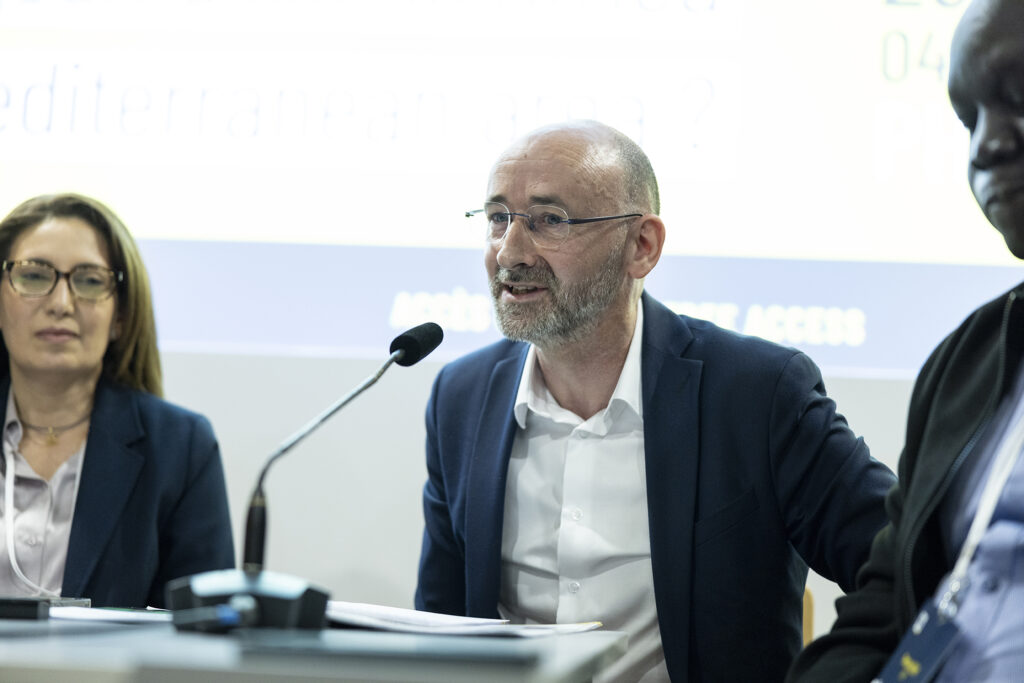
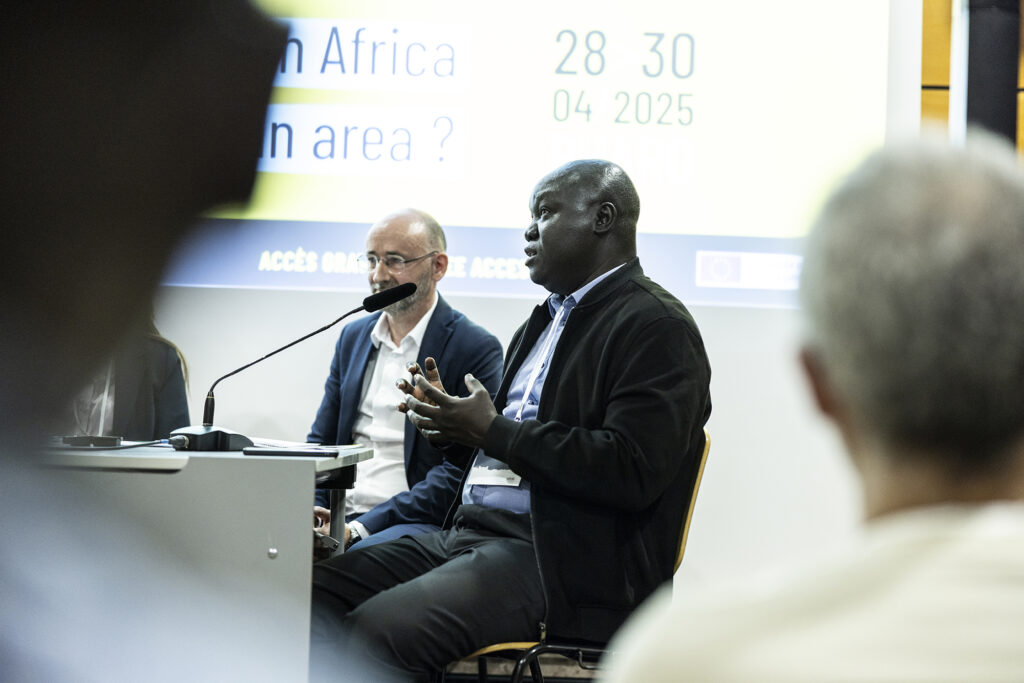
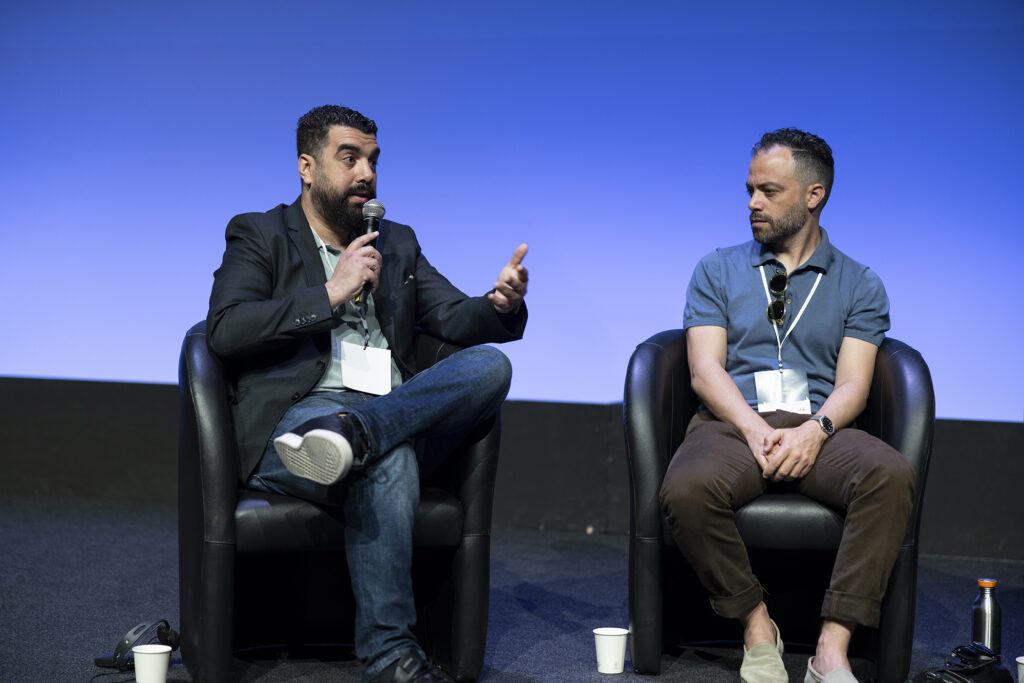
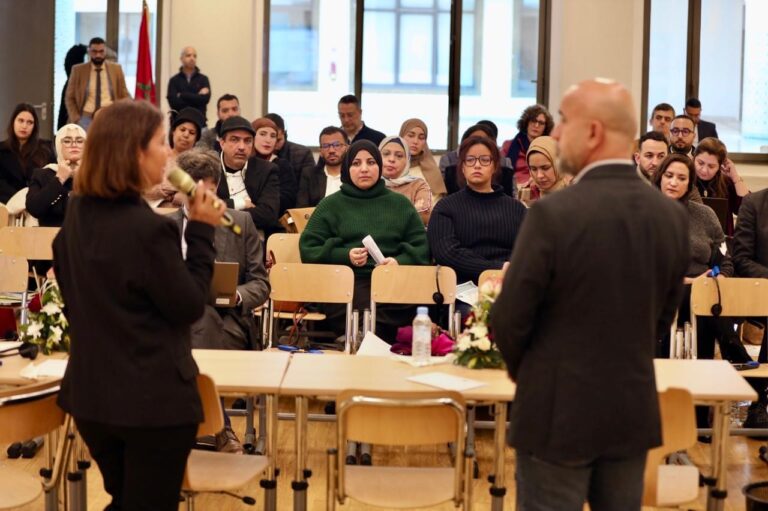
How is journalism in Sudan and Senegal? Our speakers tried to answer this question this Wednesday at the Palais du Pharo in Marseille. The director of the CESTI school of journalism made no secret of the uncertainty in which the media find themselves, against a backdrop of budget restrictions by the Senegalese government. “We don’t know whether we’ll be entitled to press subsidies this year,” he said. For her part, Bigué Bob, publishing director of the newspaper l’EnQuête, stressed the need for more women in Senegal’s editorial teams, but that, in her view, “this is not being accompanied by their promotion to positions of responsibility”.
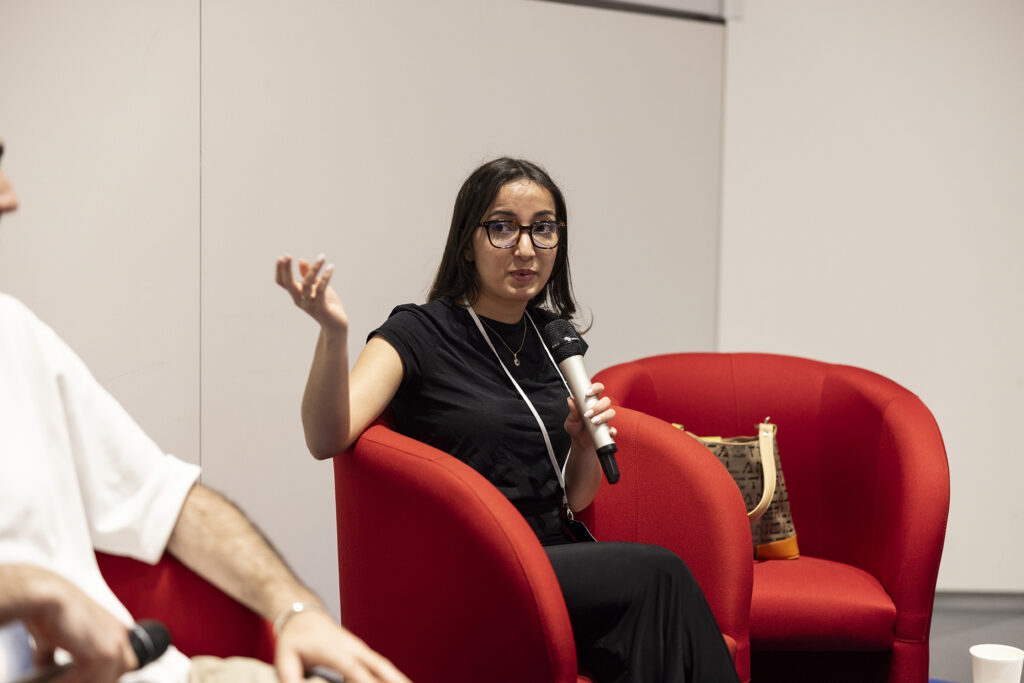
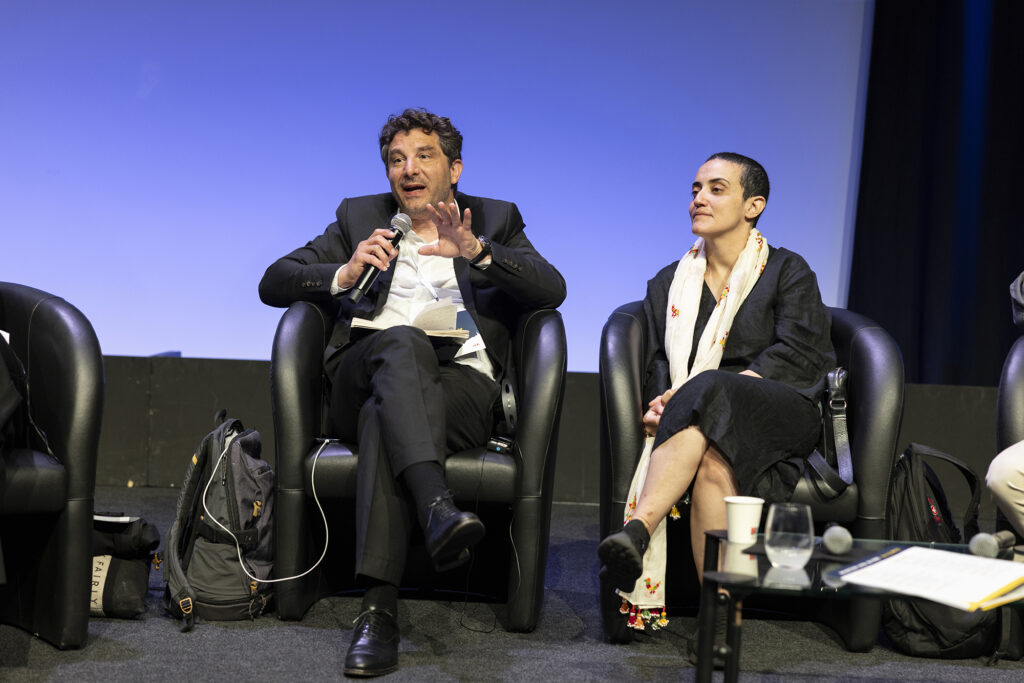
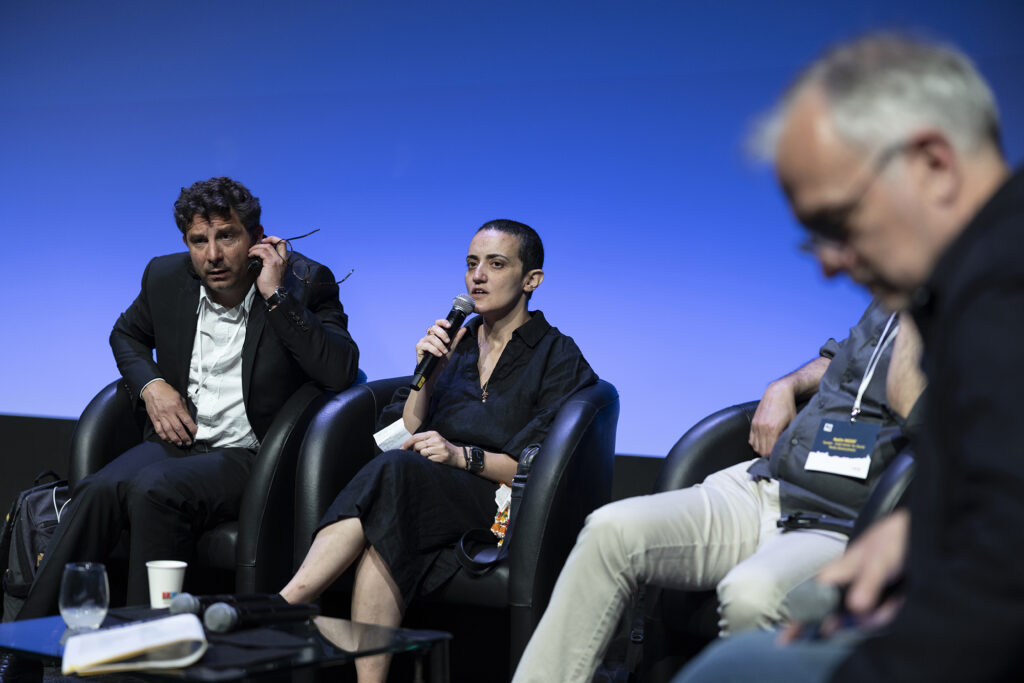
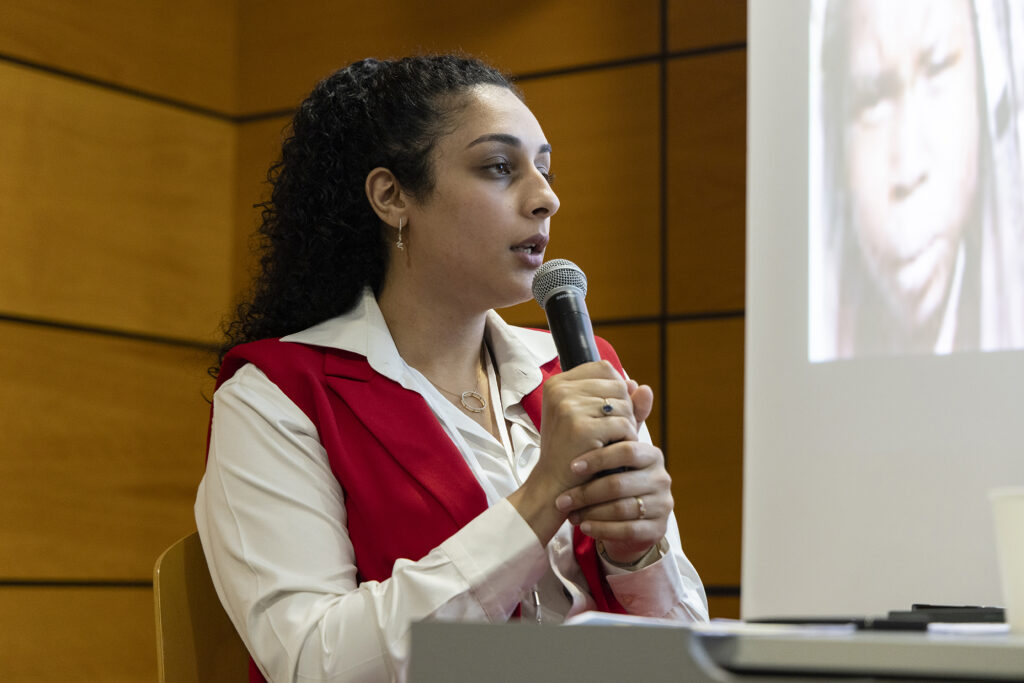
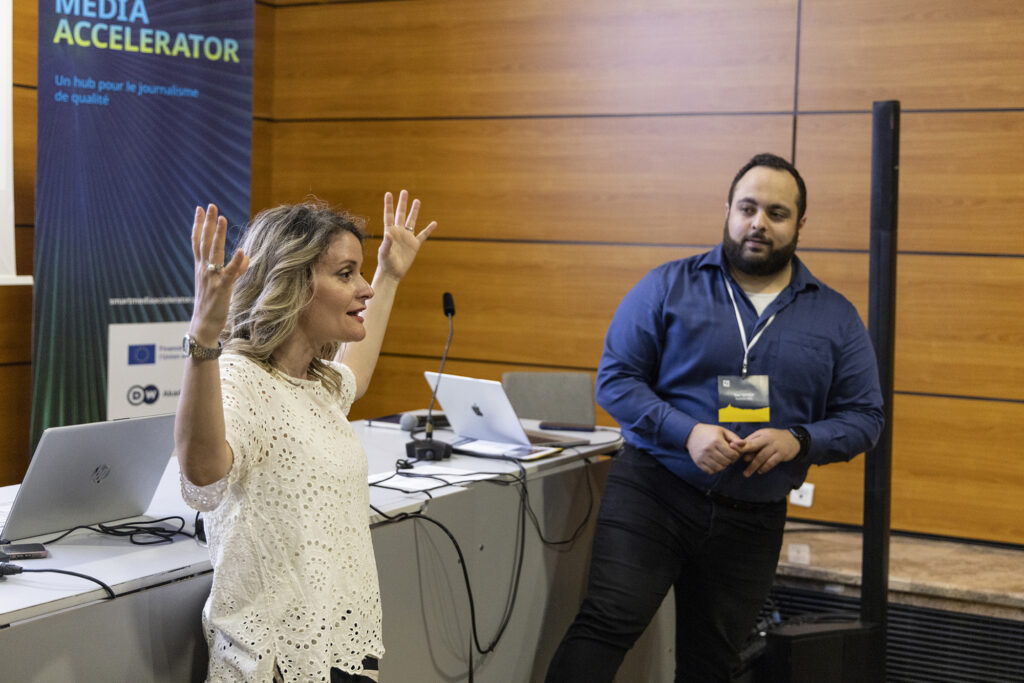
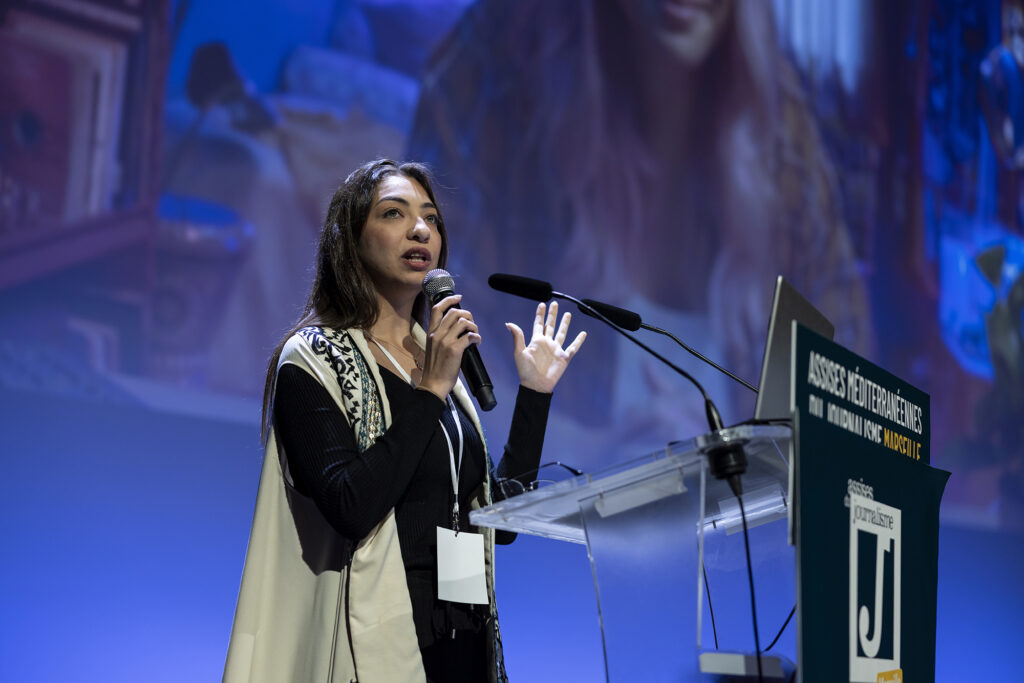
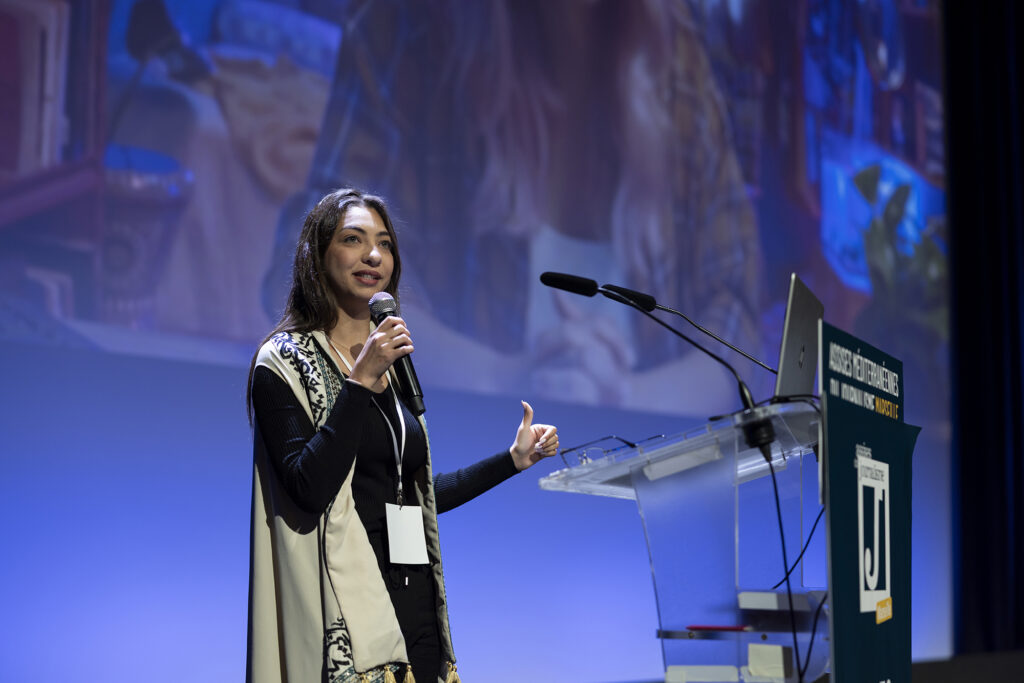
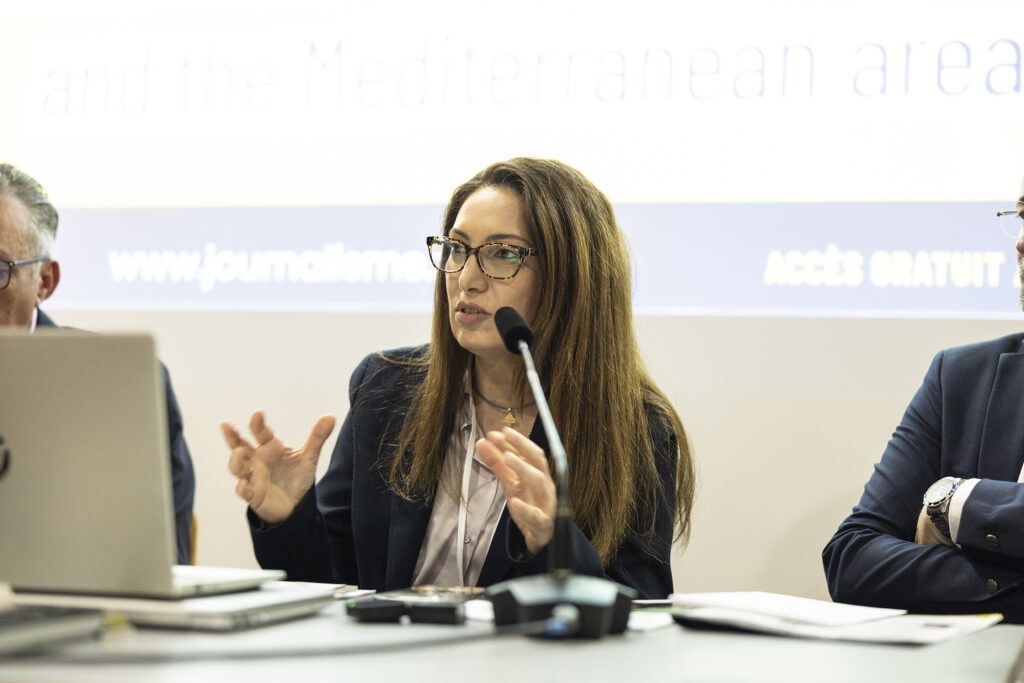
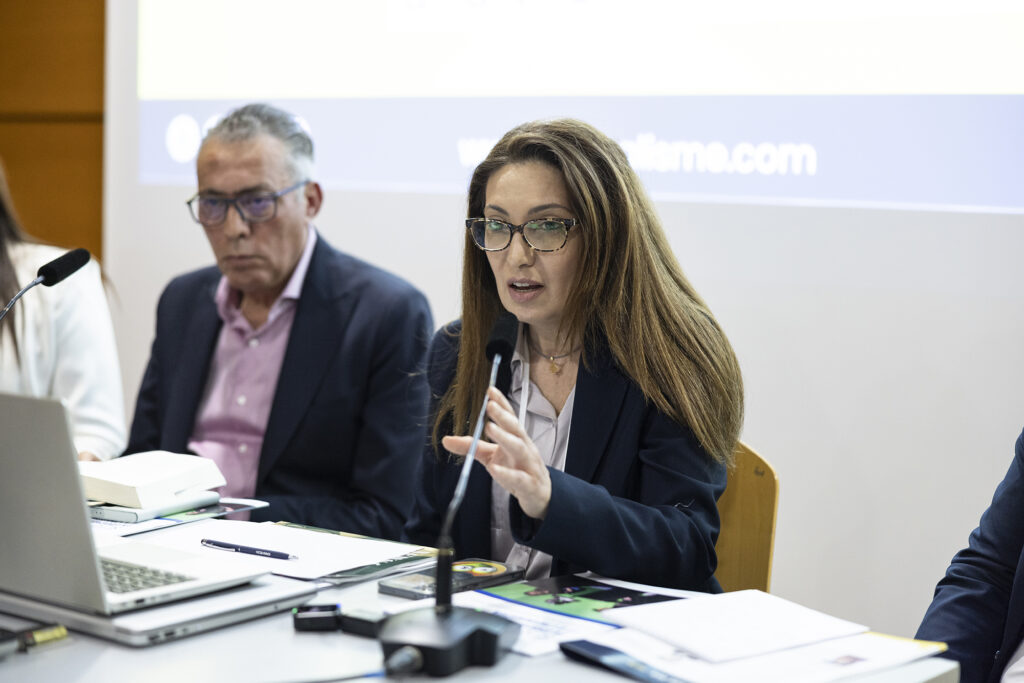
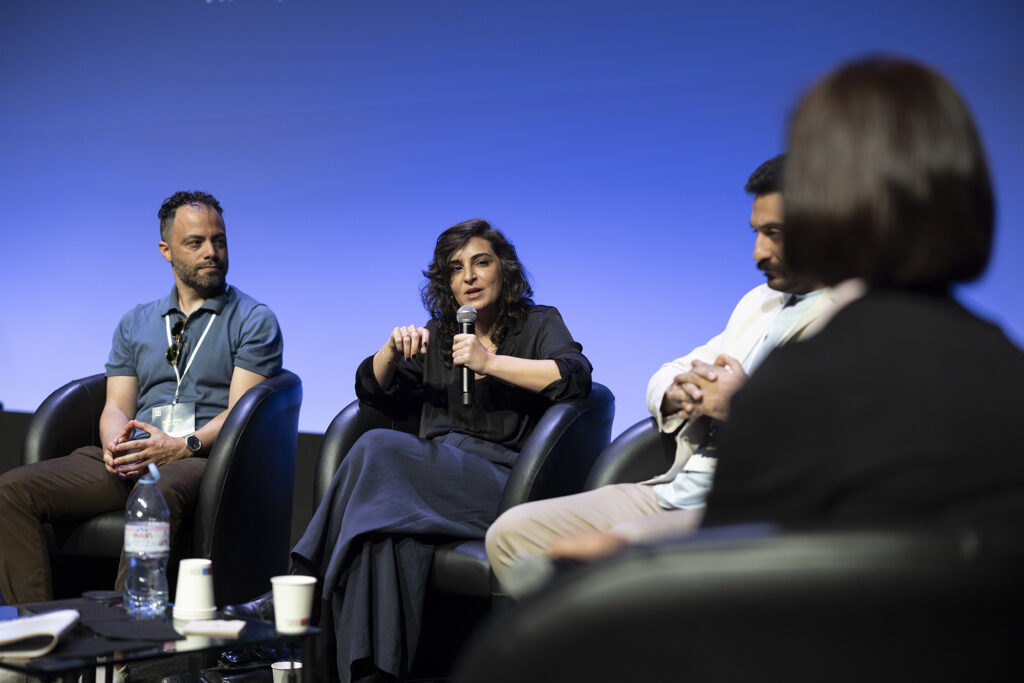
On the subject of the place of women in the newsroom, an exchange took place in the morning. “As editor-in-chief, I was made to feel less important, that I was weak. I suffered from this. Little by little, I realized that I had nothing to prove to my male colleagues”, testified Mais Katt, journalist and founder of ‘Women who won the war’.
Content creators and journalists
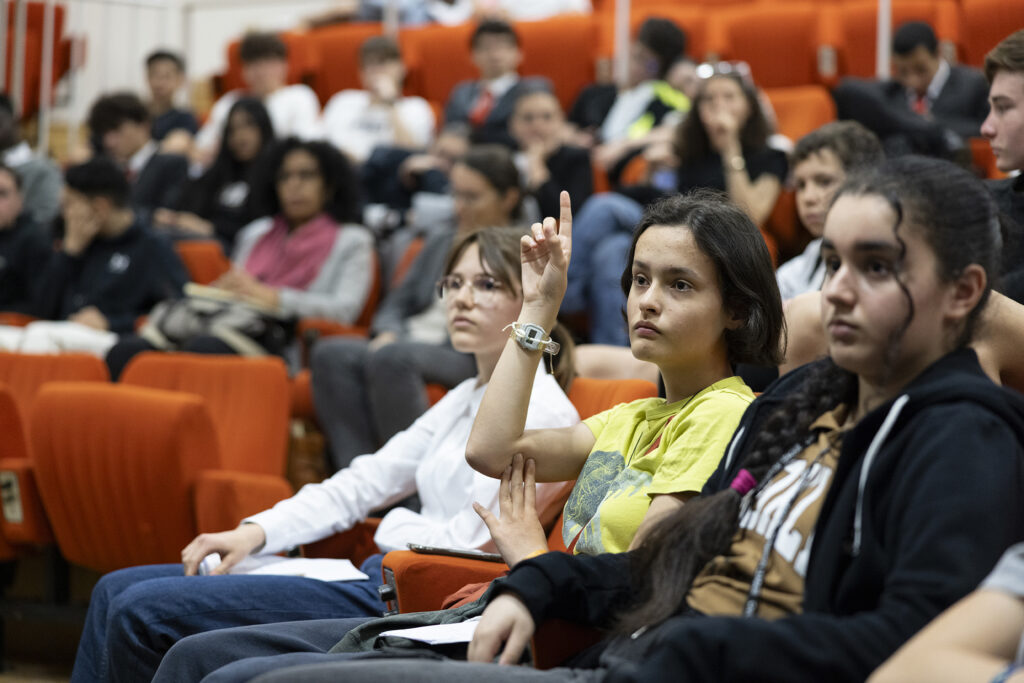
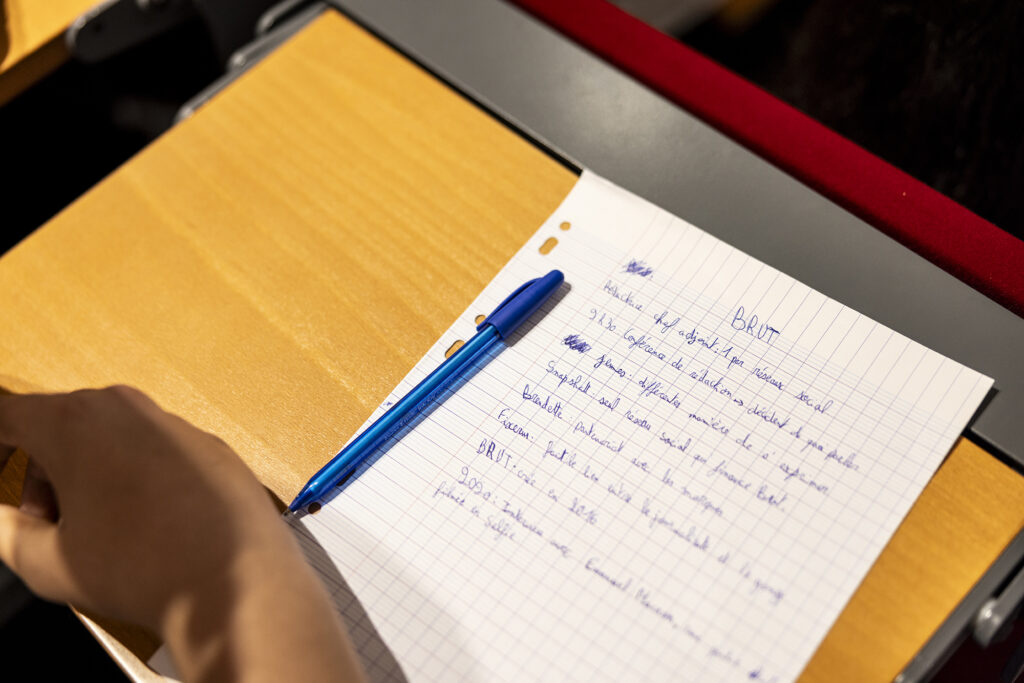
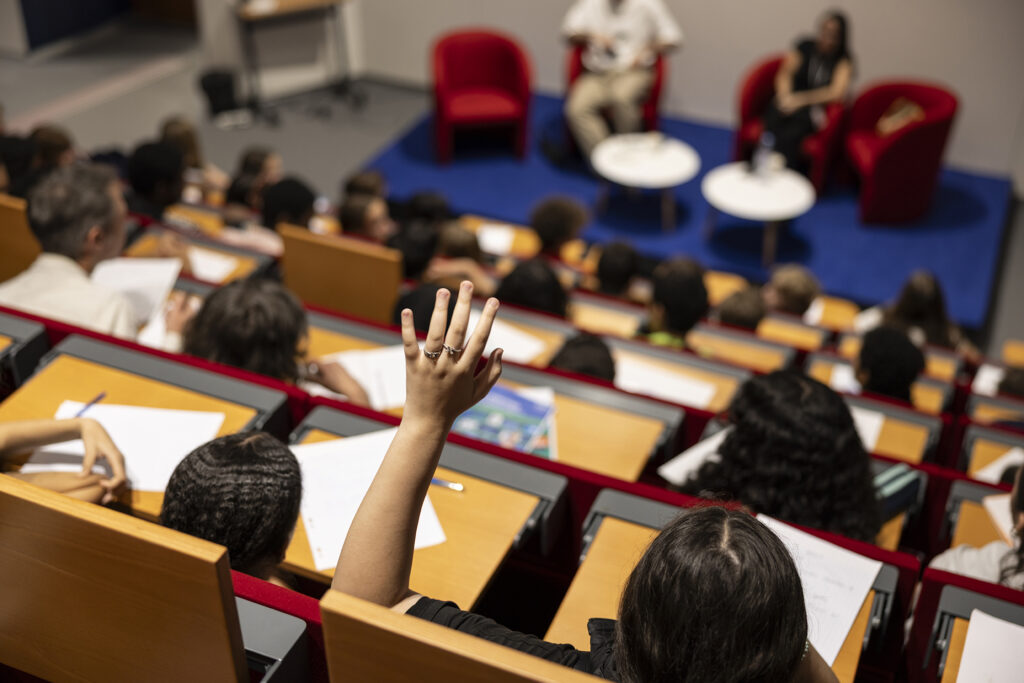
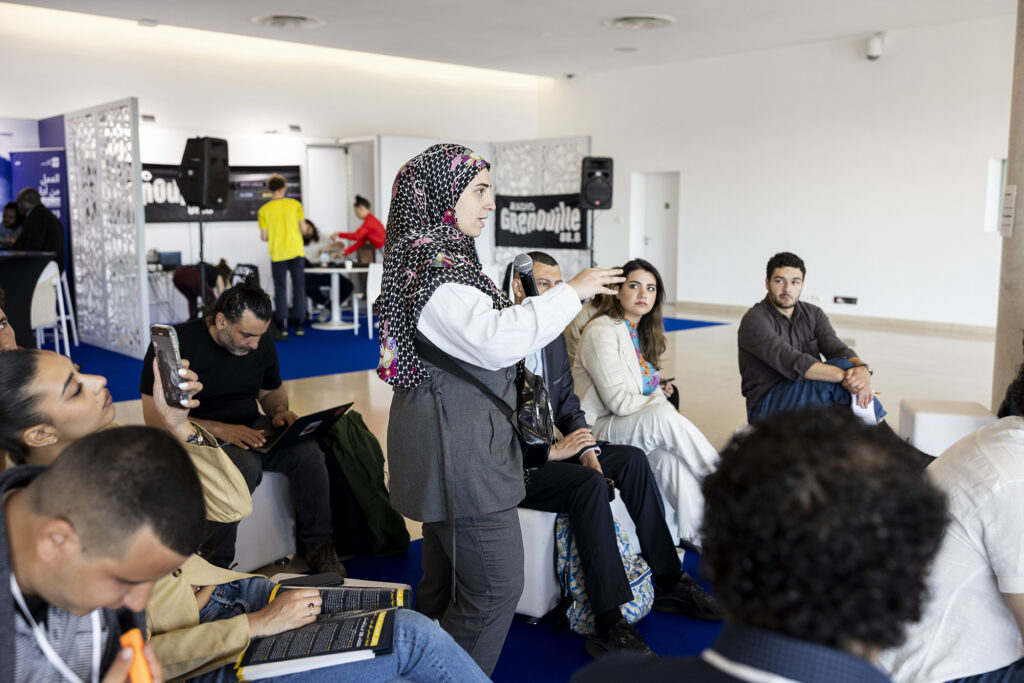
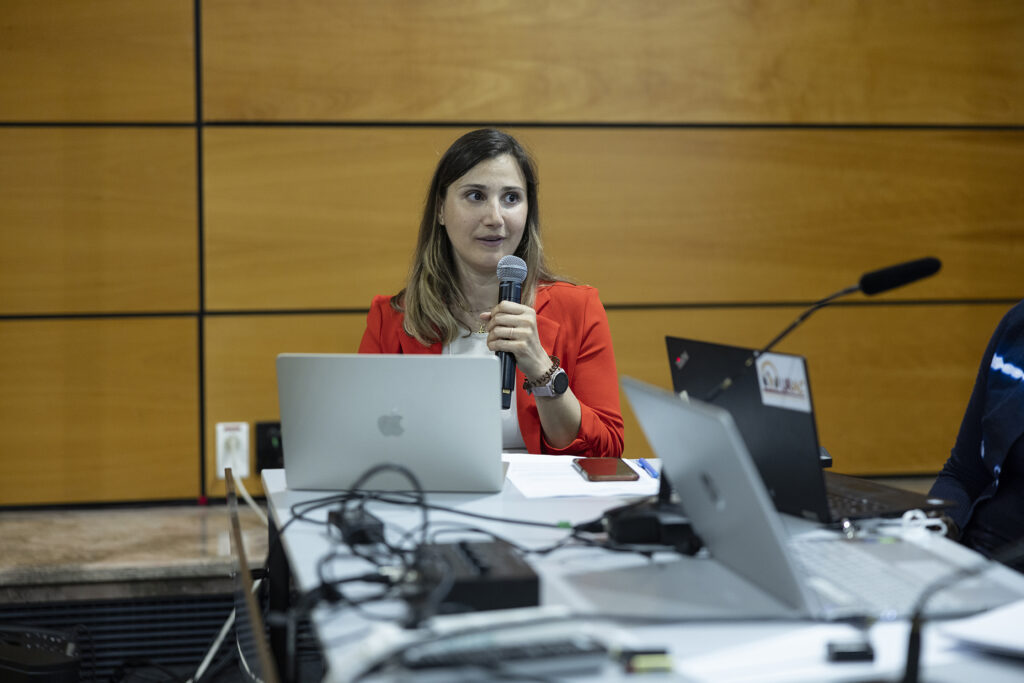
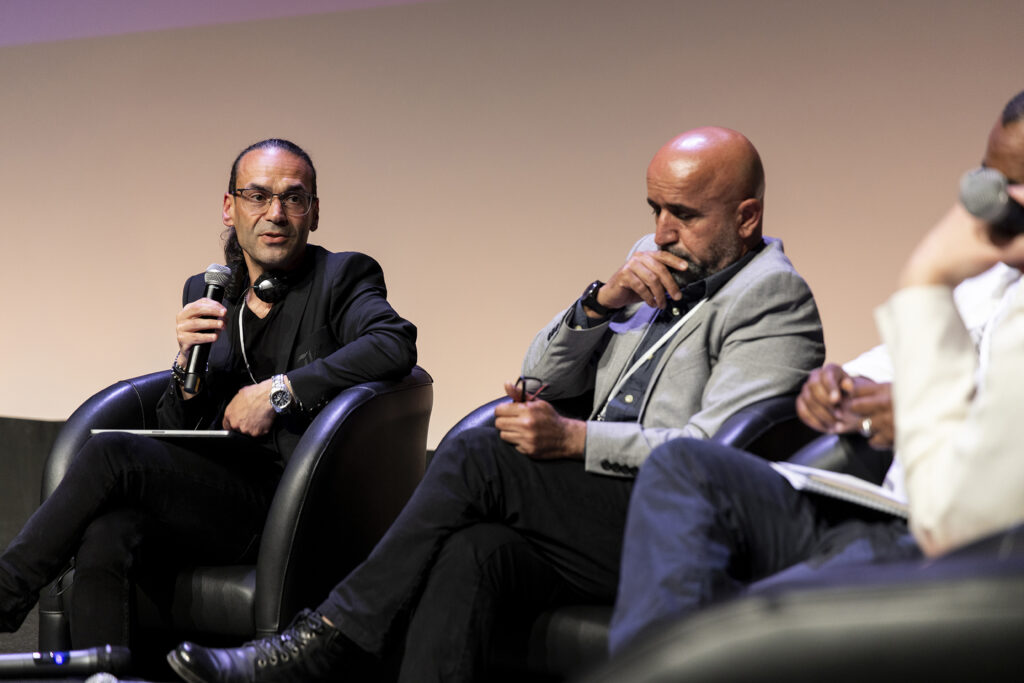
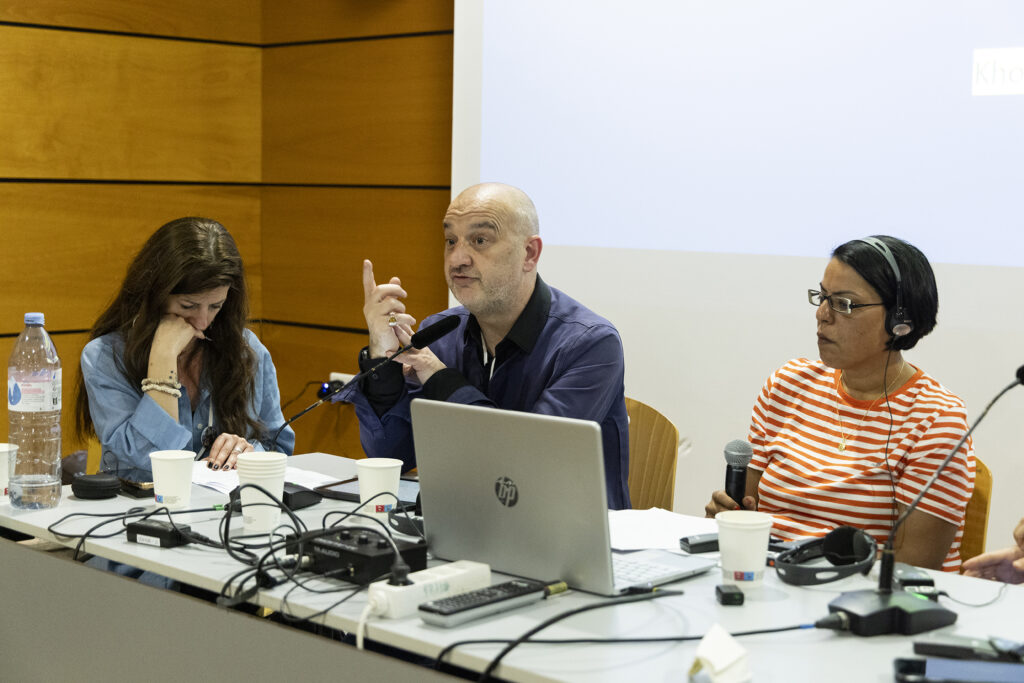
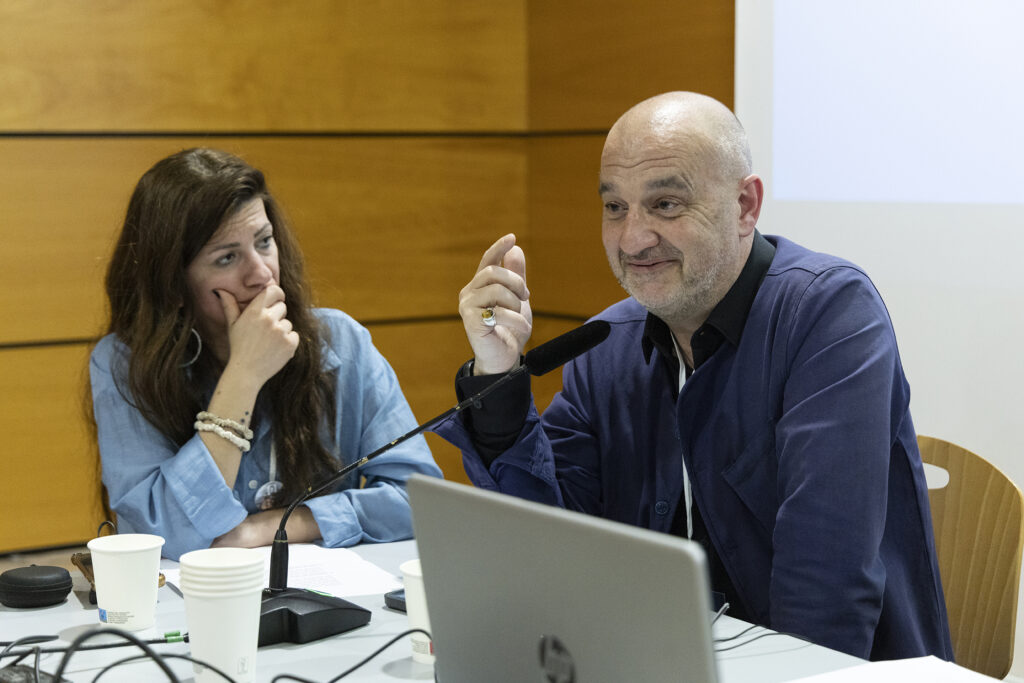
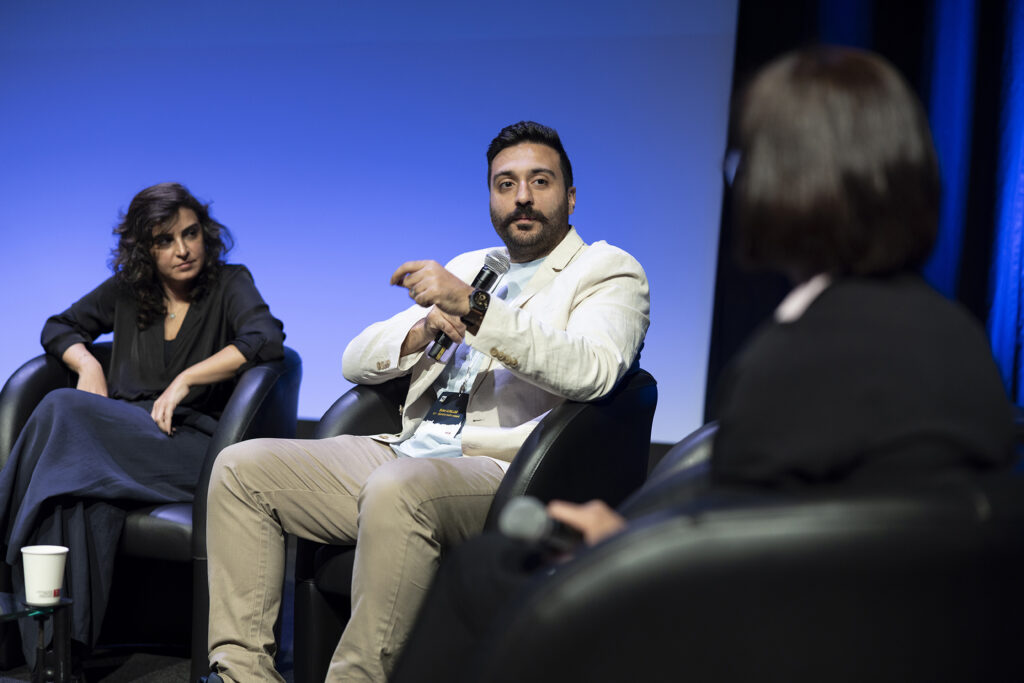
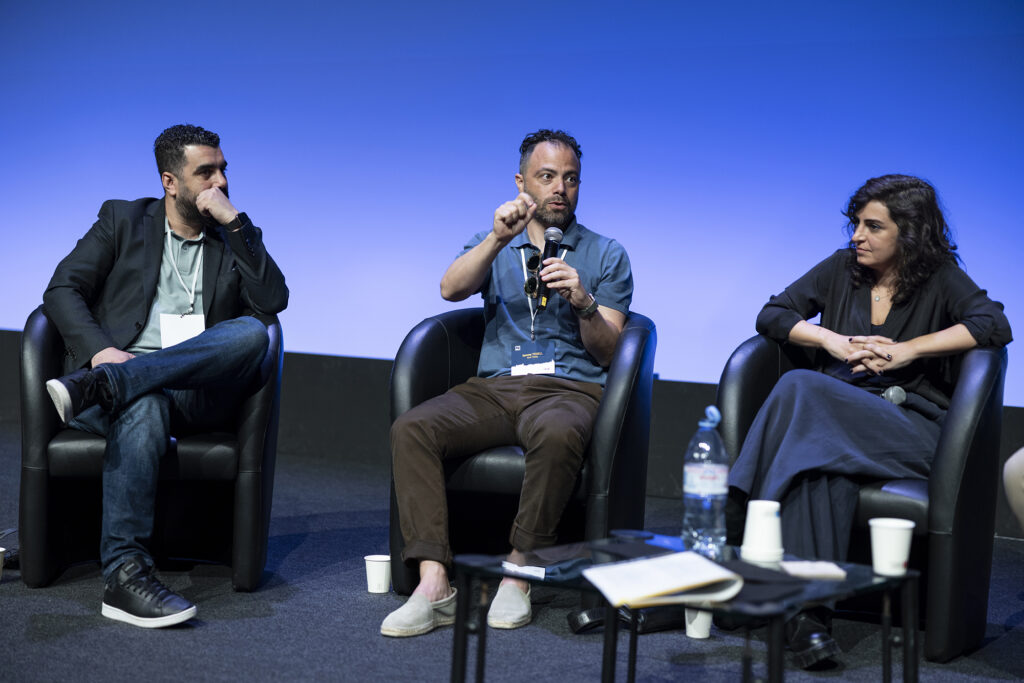
Who is informing journalists and content creators in the Mediterranean and Africa? This was a wide-ranging question that the audience in the amphitheatre was invited to ponder. Refusing to see an opposition between the two professions, Amanda Abou Abdallah, co-founder of Khateera, argued that content creators have not damaged the press. On the contrary, “they are natives of social networks who perhaps have more freedom in the form of their productions”, she considered. “We try to conform to journalistic ethics in the production of our content”, said Ramsey Tesdell, founder of the SOWT platform.
Call for release
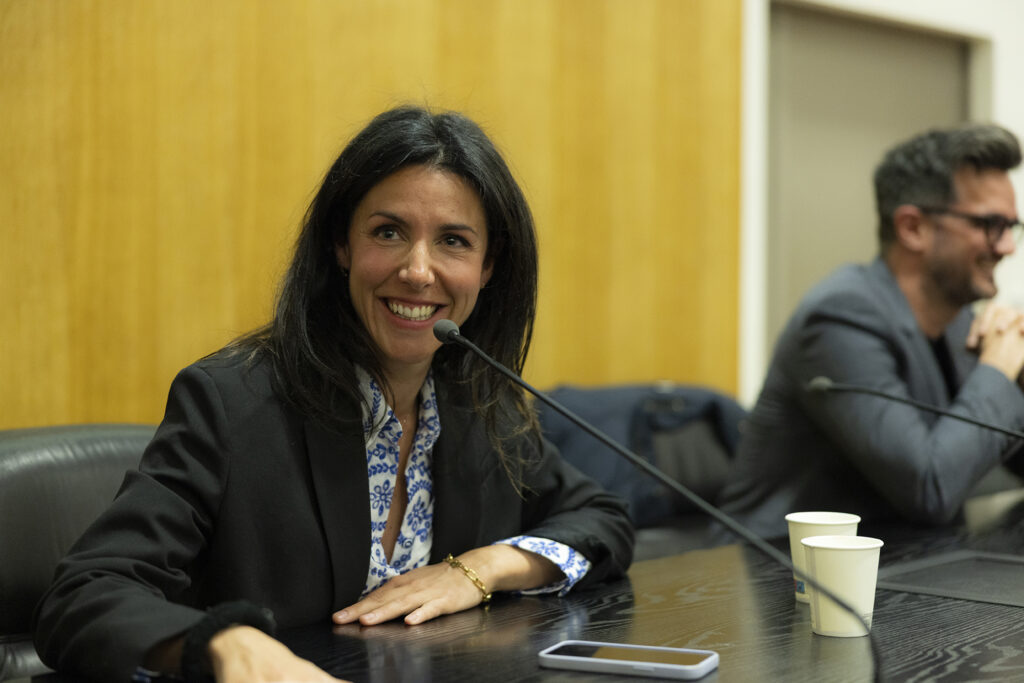
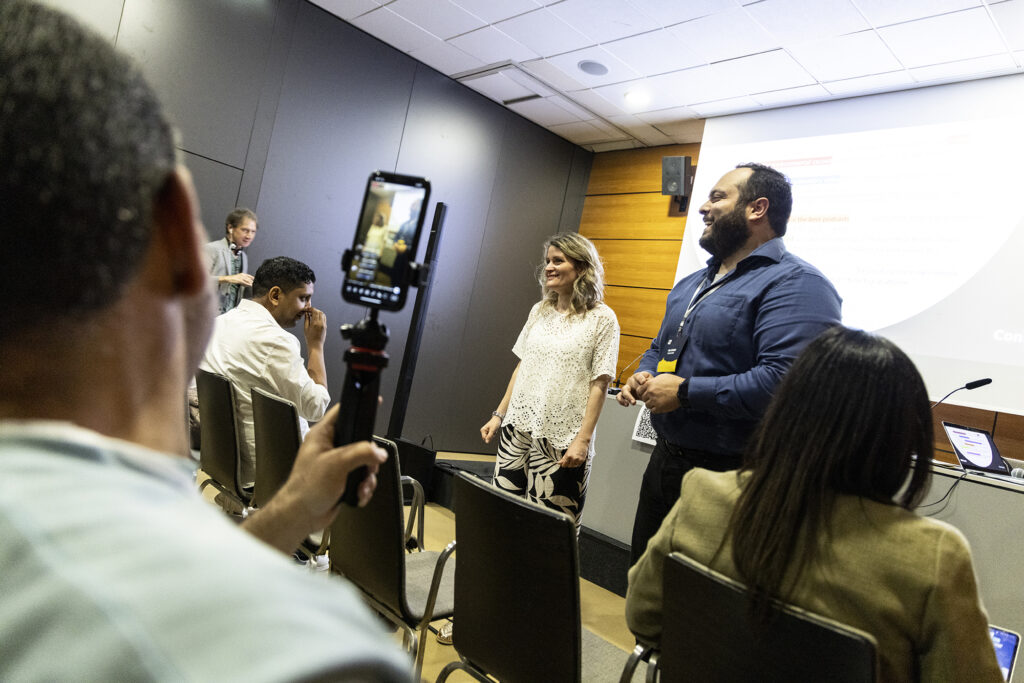
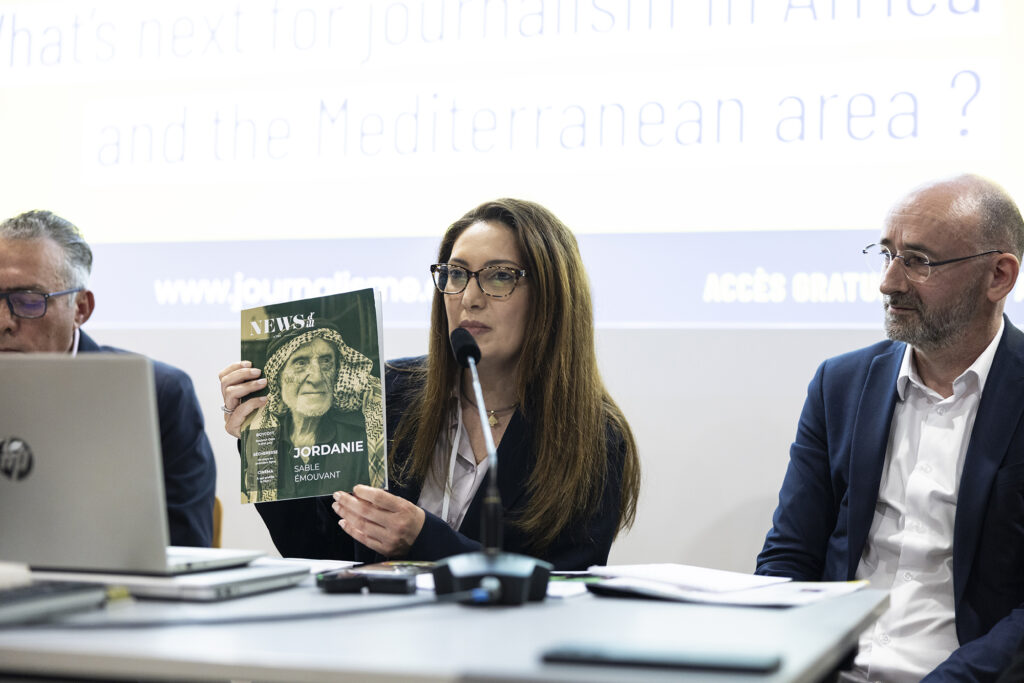
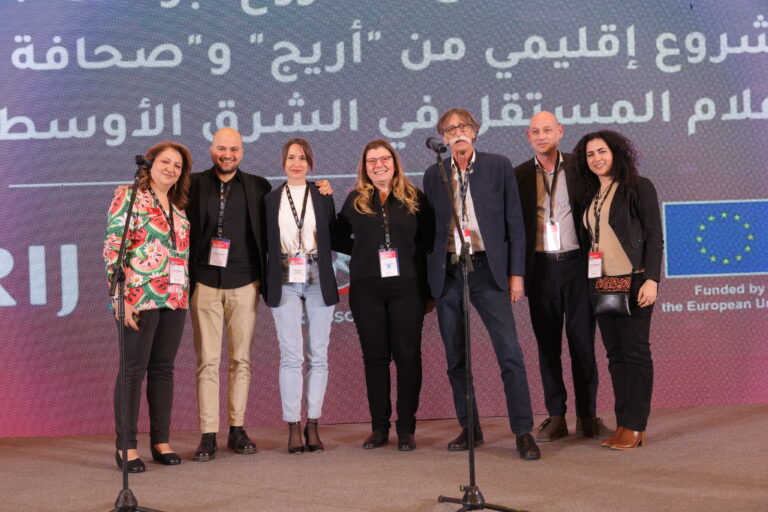
At the end of the day, the Assises solemnly called for the release of journalists imprisoned in Tunisia, at the instigation of the Syndicat national des journalistes tunisiens (read the text).Following a masterclass by Her Highness Princess Rym Ali, the EMI Rives sud awards were presented by the jury president. Accompanied by Olivier Biscaye, Editorial Director of La Provence, Her Highness presented the Rives sud grant to the MIL Ambassadors project (Jordan). The prize was awarded by CFI to the Civic Watch association, for its Africa Fact-checking Fellowship – #AFF project (Cameroon). They will both receive 1,500 euros.
This edition of the Agora for Journalism in Marseille ended with a conversation on the theme “Gaza, informing despite everything” at La Friche de la Belle de Mai. “I was on my way home when a rocket fell. I lost my four children. […] That’s the price of being a journalist in Gaza: you write your will”, testified Islam Idhair, a French-speaking Gazan journalist. A tribute was paid to journalist Marine Vlahovic.